
Workshops

Explore more than 30 workshop sessions for engaged learning and sharing from local people about local solutions at the community level. Formats range from panel discussions, to case study presentations, interactive mapping exercises, storytelling circles, and more!
Topics + Themes
Food sovereignty, local housing, community investment, renewable energy, arts & culture, the commons/the sharing economy, Indigenous economic development, fair work, democratic ownership of the economy, progressive procurement, and more!
Workshops
Friday
Reframing Climate Planning: Community-Identified Priorities as the Foundation of Resilience
Case study presentation: A presentation focused on a real-world example that participants can easily understand and learn from.
Friday August 7 10AM-11:30AM @ The North Shore Recreation Centre Hall
In the deeply rural African Nova Scotian communities of Weymouth Falls, Southville, Danvers and Hassett; climate resilience planning is starting with community priorities rather than climate data. Through a values-based engagement process, residents identified five interconnected resilience values: food security, energy security, community spaces, emergency preparedness, and cultural preservation. These priorities reveal how resilience is tied not only to climate adaptation, but also to community ownership, local investment, and stewardship of land and community assets. This session will share emerging lessons from an ongoing project and explore how local knowledge and community-defined priorities can inform strategies that strengthen self-reliance, guide investment in community infrastructure, and support long-term prosperity alongside climate resilience.
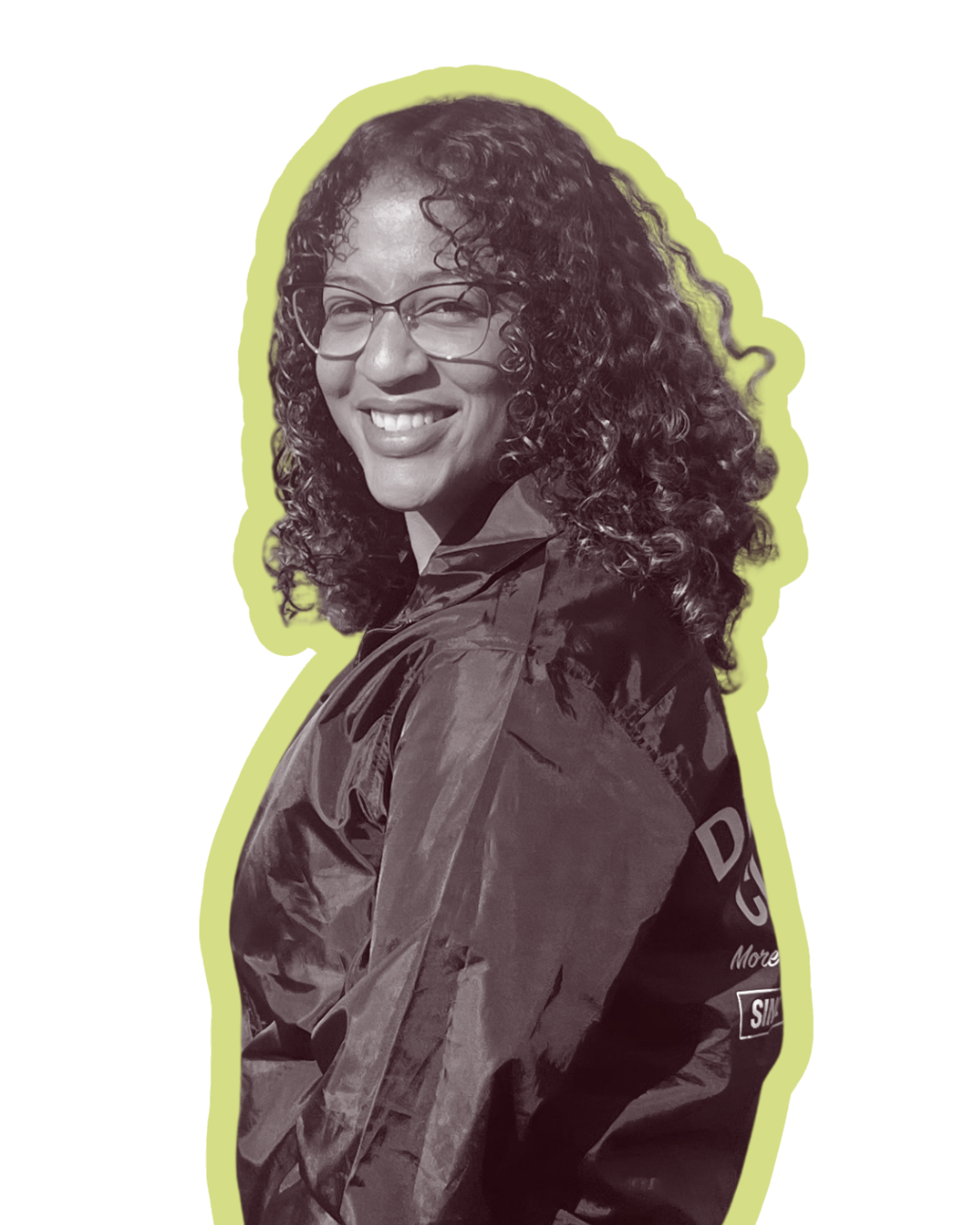

Shekara Grant
Shekara Grant is an African Nova Scotian community leader, land steward, and emerging scholar whose work advances community ownership, land justice, and Black self-determination. Descending from the historic African Nova Scotian communities of Cherry Brook and Weymouth Falls, her leadership is grounded in enduring traditions of resilience, collective care, and resistance. She is the Founder & Executive Lead of the Weymouth Falls Community Land Trust and her work explores how community-owned assets can support thriving futures while strengthening connections to place, history, and community.
Shekara is completing a Master’s in Sociology at Dalhousie University, where her research focuses on African Nova Scotian cultural knowledge and community memory. She also serves on the Boards of Directors of the Canadian Network of Community Land Trusts and the Nova Scotian Non-Profit Housing Association, and contributes to provincial and national initiatives through the Black Cultural Centre for Nova Scotia and University of King’s College Partnership Advisory Committee and the Advisory Council of the African Nova Scotian Road to Economic Prosperity.


Emmanuel Lyeh
Emmanuel Iyeh is completing an internship with Clean Foundation’s Community Climate Capacity team, supporting the Weymouth Falls Community Land Trust’s climate resilience and adaptation initiatives. His work focuses on community engagement, data analysis, resilience planning, stakeholder reporting, presentations, and project development to support climate adaptation and community-led decision-making. Through this work, he helps translate community priorities into actionable planning initiatives. Emmanuel holds a background in Agricultural Economics and Agribusiness Management and is passionate about community development, sustainability, and building resilient communities. Through his internship, he is contributing to climate resilience planning, engagement reporting, and the development of projects that respond to community-identified priorities across Nova Scotia.

Waymouth Falls Community Land Trust
The Weymouth Falls Community Land Trust (WFCLT) is a living commitment to self-determination dedicated to stewarding the cultural, historic, and land-based heritage of Weymouth Falls. Working alongside community members, Elders, and partners, the organization advances affordable housing, cultural preservation, and initiatives that strengthen intergenerational wellbeing. Grounded in the belief that community ownership can create lasting social, cultural, and economic benefits, WFCLT fosters deeper connections to place, history, and identity while building pathways to long-term prosperity. Through collaborative leadership and meaningful partnerships, the organization supports climate resilience, heritage conservation, and community-driven development in African Nova Scotian
Natural Assets, Local Prosperity, and Community Resilience: Seeing Nature as Community Infrastructure
Outdoor Workshop
Friday August 7 10AM-11:30AM @ Creamery Square Farmer’s Market
This workshop will introduce participants to the idea of natural assets (similar terms include ecosystem services, green infrastructure, natural capital, nature-based climate solutions) — the forests, wetlands, rivers, lakes, soils, coastlines, parks, green spaces, and working landscapes that provide essential services to communities.
This will be hosted near a natural asset area in Tatamagouche. The session will use the local setting as part of the learning experience, helping participants observe, discuss, and connect natural asset concepts to place. The workshop will explore how natural systems help manage stormwater, reduce flooding, protect water quality, store carbon, support biodiversity, strengthen local food and recreation economies, and contribute to community health and well-being. Through a practical, community-focused lens, participants will consider how natural asset thinking can support local climate adaptation, community resilience, municipal planning, and more place-based forms of prosperity.
By the end of the workshop, participants will be able to:
- Understand what natural assets are and how they differ from, but also complement, built infrastructure such as pipes, roads, culverts, treatment systems, and engineered stormwater works.
- Identify key ecosystem services provided by local natural assets, including flood
regulation, water filtration, carbon storage, cooling, habitat, recreation, tourism, cultural value, and community well-being. - Recognize the connection between natural assets and local prosperity, including avoided infrastructure costs, reduced climate risk, healthier communities, local economic development, and stronger place-based resilience.
- Explore practical ways communities can begin natural asset work, including mapping local assets, documenting services, engaging community knowledge, identifying risks, and integrating natural assets into municipal plans and budgets.
- Apply natural asset thinking in place, using the Tatamagouche setting to observe a local natural asset, discuss the services it provides, and capture ideas that participants can adapt for their own communities, organizations, or projects.
Participants will leave with a practical understanding of how natural assets can be used as a tool for local climate resilience, community wealth building, and ecological stewardship. Each participant will receive a workshop package for their own use, including simple prompts, worksheets, and reference materials to help identify natural assets, describe ecosystem services, and think through possible local applications. Clipboards will be available to borrow during the session so participants can engage directly with the outdoor setting, take notes, and capture ideas as they observe and discuss the natural asset in Tatamagouche. The workshop
will also offer participants language they can use to connect natural asset work to local prosperity, public health, climate adaptation, and long-term community well-being.
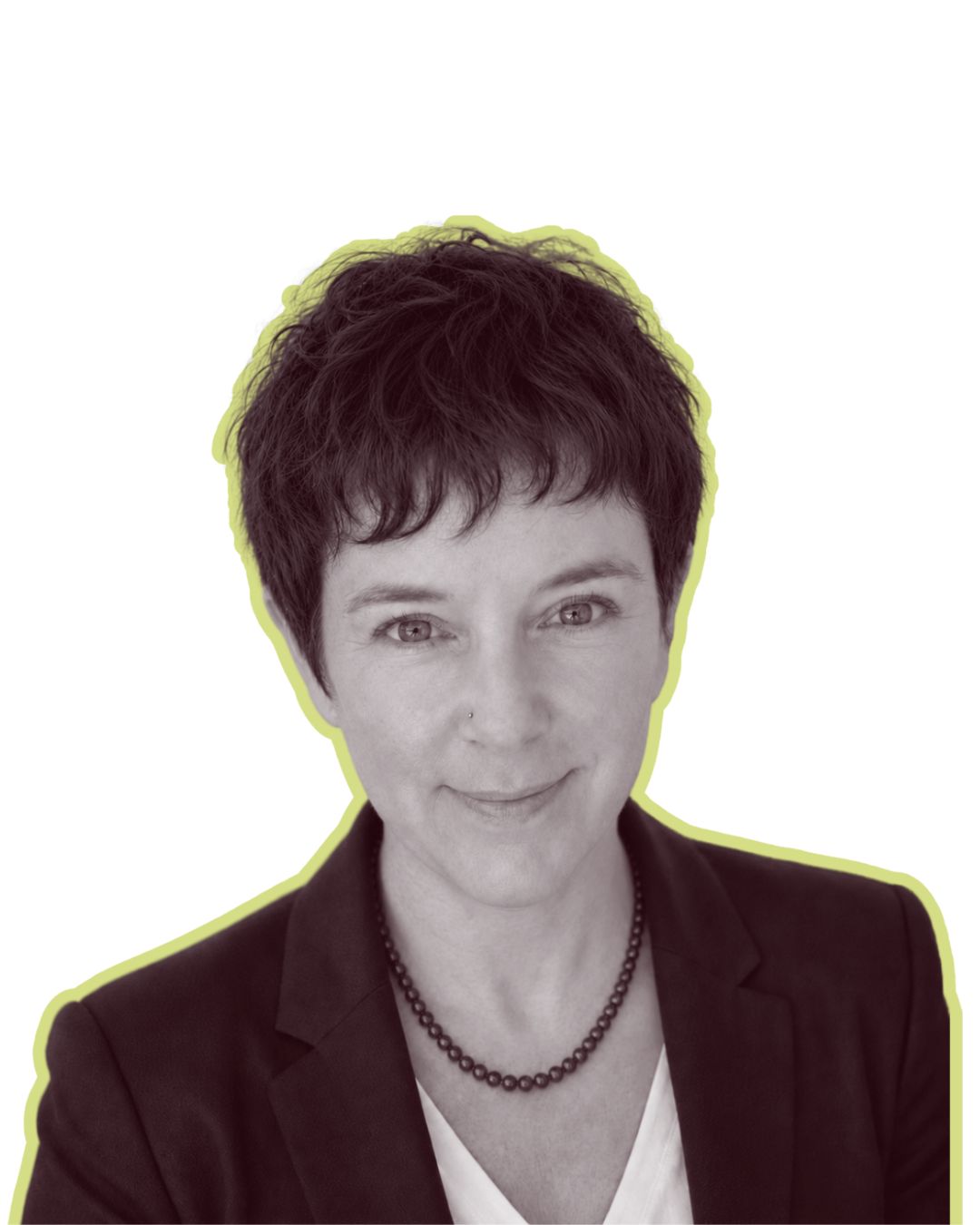
Gillian Kerr
This workshop will introduce participants to the idea of natural assets (similar terms include ecosystem services, green infrastructure, natural capital, nature-based climate solutions) — the forests, wetlands, rivers, lakes, soils, coastlines, parks, green spaces, and working landscapes that provide essential services to communities.
Through a practical, community-focused lens, participants will consider how natural asset thinking can support local climate adaptation, community resilience, municipal planning, and more place-based forms of prosperity
Energy Democracy and Community Development
Workshop: Peer Learning Circle
Friday August 7 10AM-11:30AM @ Tatamagouche Regional Academy Active Living Room
This session focuses on how communities can take back control over their energy systems to build local wealth, resilience, and fairness. Exploring the shift away from centralized, profit-driven utilities toward community-owned and governed energy models such as co-operatives, municipal utilities, and local renewable projects that keep revenues circulating locally.
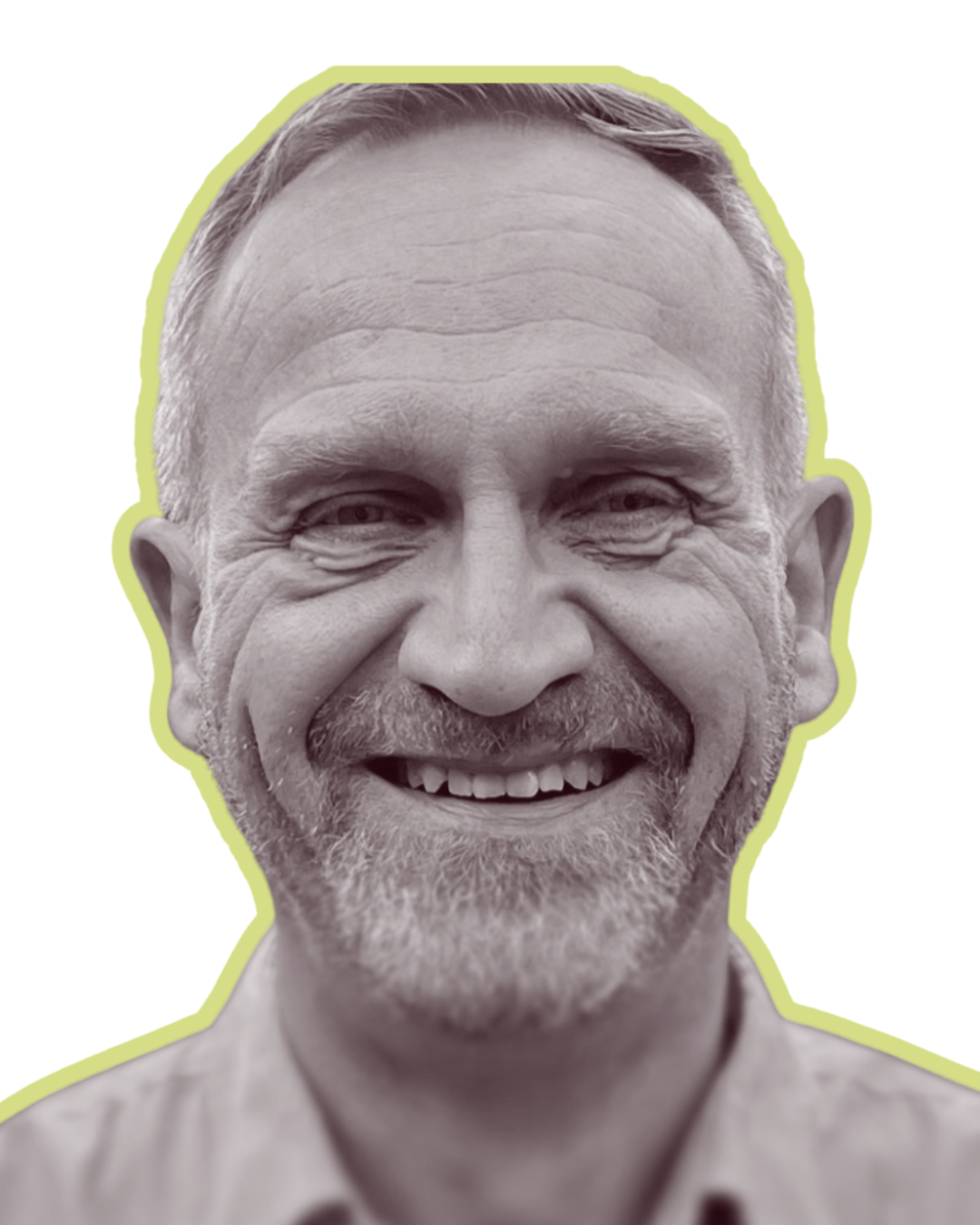

Ulrich vom Hagen
Ulrich vom Hagen is the Atlantic Energy Manager at Sierra Club Canada Foundation, where he works on offshore wind, energy democracy, and the transition to a more modern and connected electricity system in Atlantic Canada.
More Than Books: Discover Your Library
Interactive Workshop
Friday August 7 10AM-11:30AM @ Tatamagouche Public Library Patterson Room

The library is so much more than books! Join us for an informal session to discover the wide range of programs, services, technology, and community resources available through your local library. Learn how the library supports lifelong learning, creativity, wellness, and community connection while exploring everything we have to offer. Whether you’re a regular visitor or haven’t stopped by in years, there’s something here for everyone.
The Anchor Advantage: Buying Local to Build Community Wealth
Panel
Friday August 7 10AM-11:30AM @ Tatamagouche Regional Academy Cafeteria
Public sector anchor institutions — such as municipalities, colleges, universities, hospitals, and other large public bodies — spend millions of dollars every year on goods and services. Even a modest shift in that spending toward local suppliers can create meaningful benefits for local businesses, workers, and communities. This practical 90-minute workshop will explore how anchor institutions can support community wealth building by identifying opportunities to localize a portion of their procurement spending.
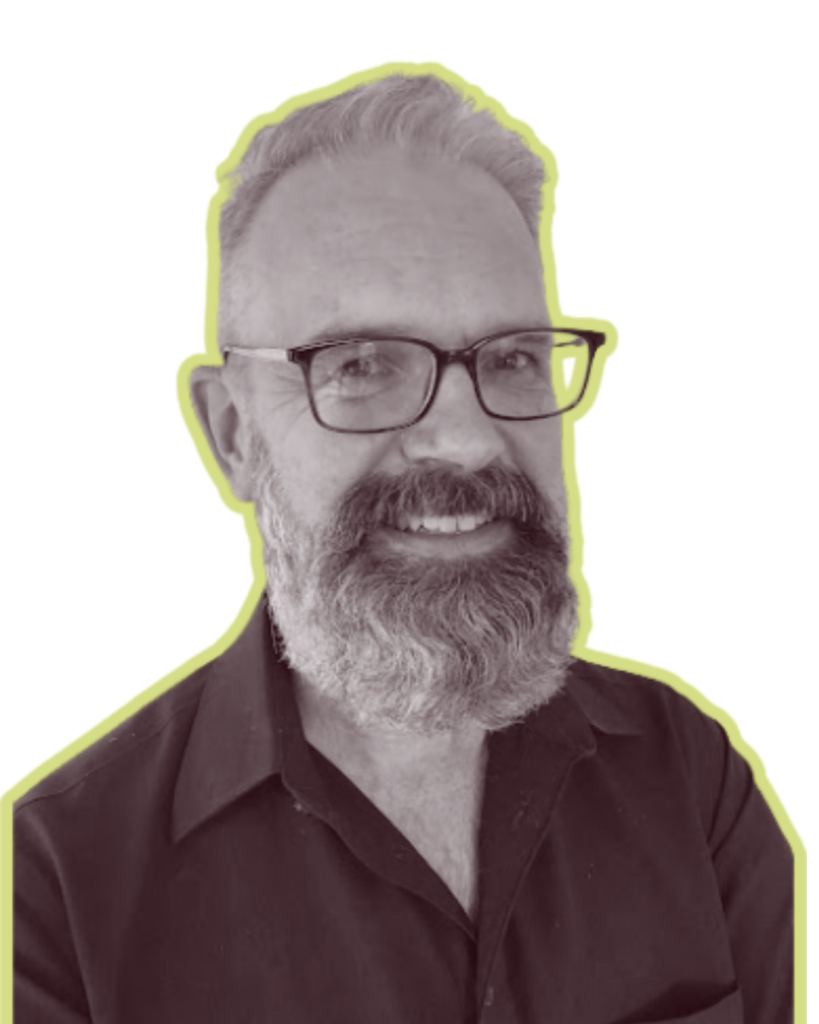
Andy Horsnell
Andy has worked for over three decades to help community-based enterprises and local economies be more resilient, self-reliant, and sustainable. He has worked with 100s of community organizations – large and small, rural and urban, for-profit and nonprofit ‒ throughout North America and abroad. As a volunteer, he currently serves as a director of the Social Enterprise Council of Canada, and is a founding director and treasurer of Just, Good Business (formerly the Social Enterprise Network of Nova Scotia). Andy formerly served as the chair of the Centre for Local Prosperity, For the Love of Learning (St. John’s), and Urban Boatbuilders (St. Paul, Minnesota). In addition to running his own consulting firm, Social Enterprise Solutions, Andy serves as the part-time executive director of the Centre for Local Prosperity, and works with his wife SJ on their sheep farm in beautiful Kempt Shore, Nova Scotia.
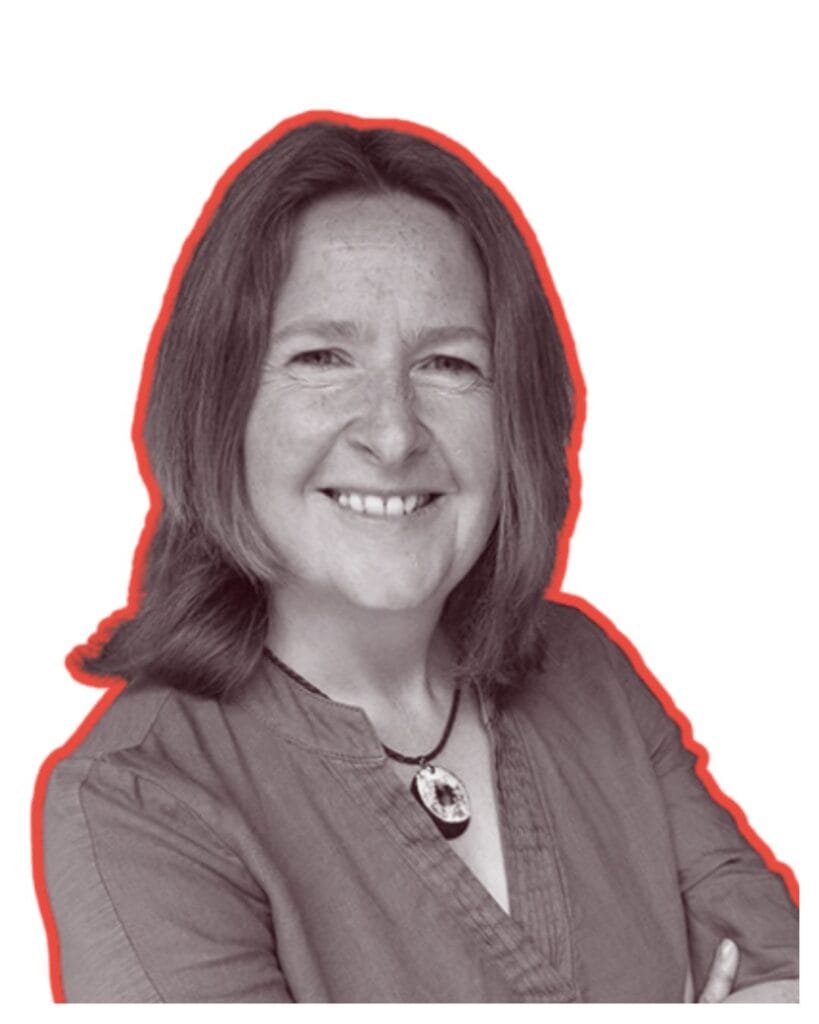

Dr. Sarah Longlands
Dr Sarah Longlands is the Chief Executive of the Centre for Local Economies (CLES) based in the UK. CLES is a think and do tank in the UK dedicated to development of local economies and the lead organisation in the UK for community wealth building, Sarah is an expert in regional and local economies with a PhD in Urban Studies from the University of Glasgow. She is an advocate for economic and social justice and the creation of places that enable people to live good lives. Her work is deeply influenced by her experience of growing up in Northern Ireland. Before joining CLES she worked for the Institute of Public Policy Research in the North of England (IPPR North). She began her career working in local government in the North of England.


Chelsey MacNeil
Chelsey MacNeil is a trusted leader in community economic development, social innovation, and strategic transformation, with over a decade of experience driving impactful change. Originally from Nova Scotia and now calling St. John’s, Newfoundland home, she leads efforts across Canada through her consultancy, The Purposeful Group, which helps purpose-driven organizations navigate complex challenges and develop strategies that foster economic growth for both people and the planet.
Chelsey has championed policy innovations in areas such as housing, labor market attachment, poverty reduction, youth engagement, and community economic development, with a particular focus on rural communities. She has driven significant community investment through innovative corporate social responsibility (CSR) models and successfully led multi-stakeholder collaborations that deliver measurable outcomes in both rural and urban settings.
Her work extends beyond national borders, especially in rural development, through her involvement with the Social Enterprise World Forum (SEWF). Chelsey’s contributions to the international social impact ecosystem have established her as a key figure in advancing rural, community-driven initiatives that align financial sustainability with mission-driven goals.
Chelsey holds a B.A., B.Ed., and MBA, and she teaches at the University of Fredericton as well as in Memorial University’s MBA program, preparing the next generation of leaders in social impact. Her expertise in strategic leadership, partnership-building, and rural policy innovation continues to shape the future of community development and social innovation across Canada and beyond.
Fair Work, Strong Economies; The Role of Migrant Workers in Nova Scotia
Food Insecurity and Advocacy: Building Pathways to Equity
Presentation
Friday August 7 10AM-11:30AM @ Creamery Square Grace Arts Theatre
Exploring the policies, institutions, investments, and governance structures needed to support resilient, equitable, and community-rooted food systems. Drawing on experiences from food insecurity advocacy, provincial food policy, regional collaboration initiatives, and food system planning, this interactive session will examine the conditions that help communities thrive and the barriers that continue to stand in the way. Together, participants will explore how public policy, procurement, land use planning, financing, governance, and collective action can strengthen local and regional food systems while identifying practical opportunities for collaboration and systems change across Atlantic Canada.
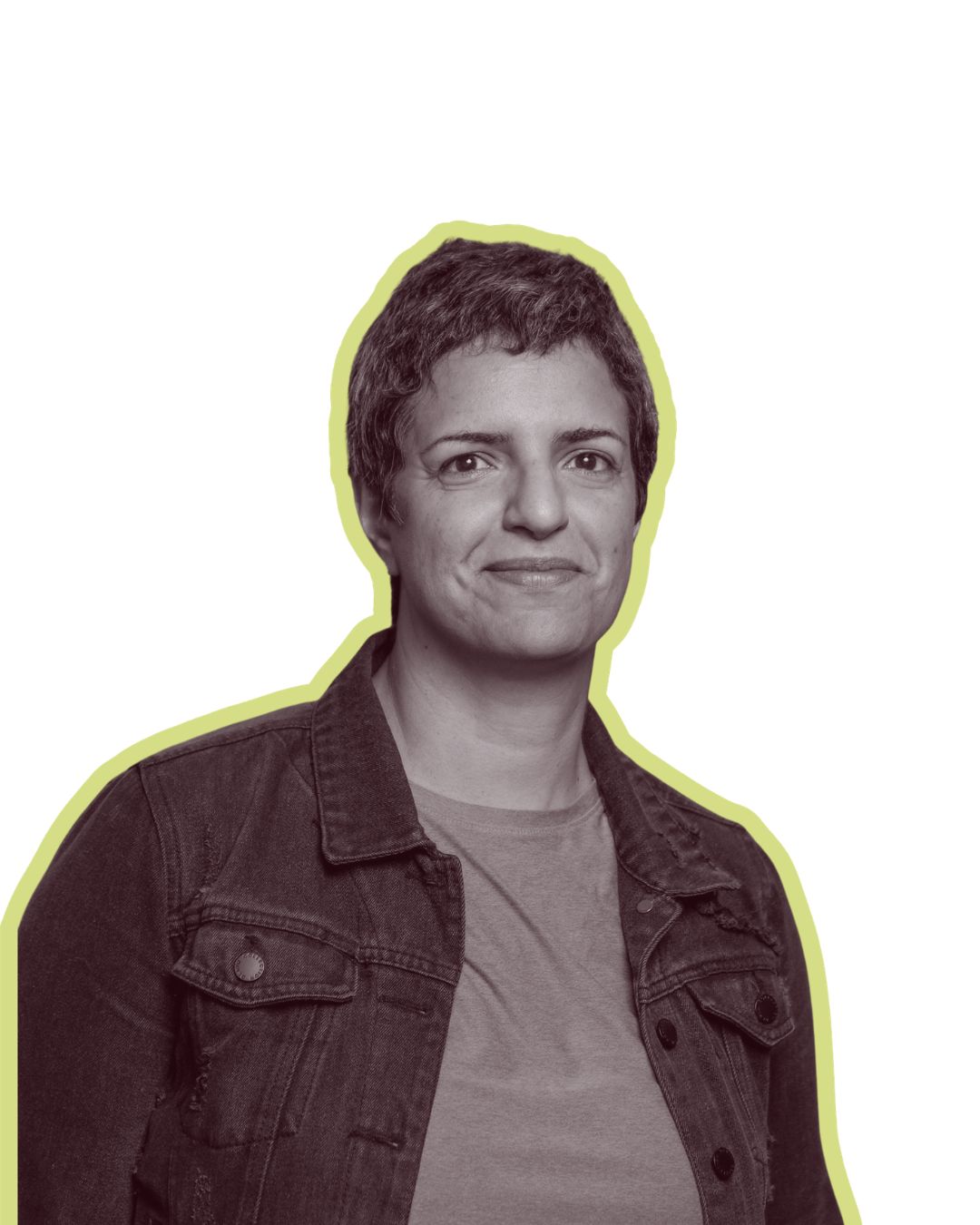

Sara Farias
Sara Farias (they/them) is the Advocacy Lead at Feed Nova Scotia, where they mobilize communities through education and advocacy, grounded in the belief that systemic change happens through collective community action. Originally from Brazil, they hold a degree in Social Sciences with an emphasis in Political Science and Sociology.
After moving to Halifax in late 2019, Sara continued their advocacy work in Nova Scotia. After the isolation of the COVID-19 pandemic, they became actively involved in the cycling community, combining their passion for active transportation with social and environmental advocacy. Their community work has focused on active transportation and food insecurity, leading initiatives such as Nova Scotia by Bike, including the educational program Cycling Experiences, and Bike Brigade HFX, a volunteer-driven project that delivers food throughout the HRM using bicycles.
Sara believes that food security is linked to decolonial climate justice and is dedicated to creating stronger, more connected, and more equitable communities.
Big Ideas, Small Places: Community-Owned Tourism & Local Wealth in Rural Atlantic Canada
Case Study
Friday August 7 2:30PM-4PM @ Tatamagouche Regional Academy Cafeteria
This session explores how rural communities in Atlantic Canada are using community-owned tourism, local assets, and innovative ownership models to build wealth that stays local. Through real-world examples, participants will learn how communities are leveraging land and buildings for shared benefit, supporting small businesses, and creating tourism experiences rooted in place. The session will highlight practical lessons, challenges, and opportunities, and include a facilitated discussion to help participants identify how similar approaches could be adapted in their own communities.
Panelists:
Chelsey MacNeil
Chelsey MacNeil is a trusted leader in community economic development, social innovation, and strategic transformation, with over a decade of experience driving impactful change. Originally from Nova Scotia and now calling St. John’s, Newfoundland home, she leads efforts across Canada through her consultancy, The Purposeful Group, which helps purpose-driven organizations navigate complex challenges and develop strategies that foster economic growth for both people and the planet. Chelsey has championed policy innovations in areas such as housing, labor market attachment, poverty reduction, youth engagement, and community economic development, with a particular focus on rural communities. She has driven significant community investment through innovative corporate social responsibility (CSR) models and successfully led multi-stakeholder collaborations that deliver measurable outcomes in both rural and urban settings. Her work extends beyond national borders, especially in rural development, through her involvement with the Social Enterprise World Forum (SEWF). Chelsey’s contributions to the international social impact ecosystem have established her as a key figure in advancing rural, community-driven initiatives that align financial sustainability with mission-driven goals. Chelsey holds a B.A., B.Ed., and MBA, and she teaches at the University of Fredericton as well as in Memorial University’s MBA program, preparing the next generation of leaders in social impact. Her expertise in strategic leadership, partnership-building, and rural policy innovation continues to shape the future of community development and social innovation across Canada and beyond.
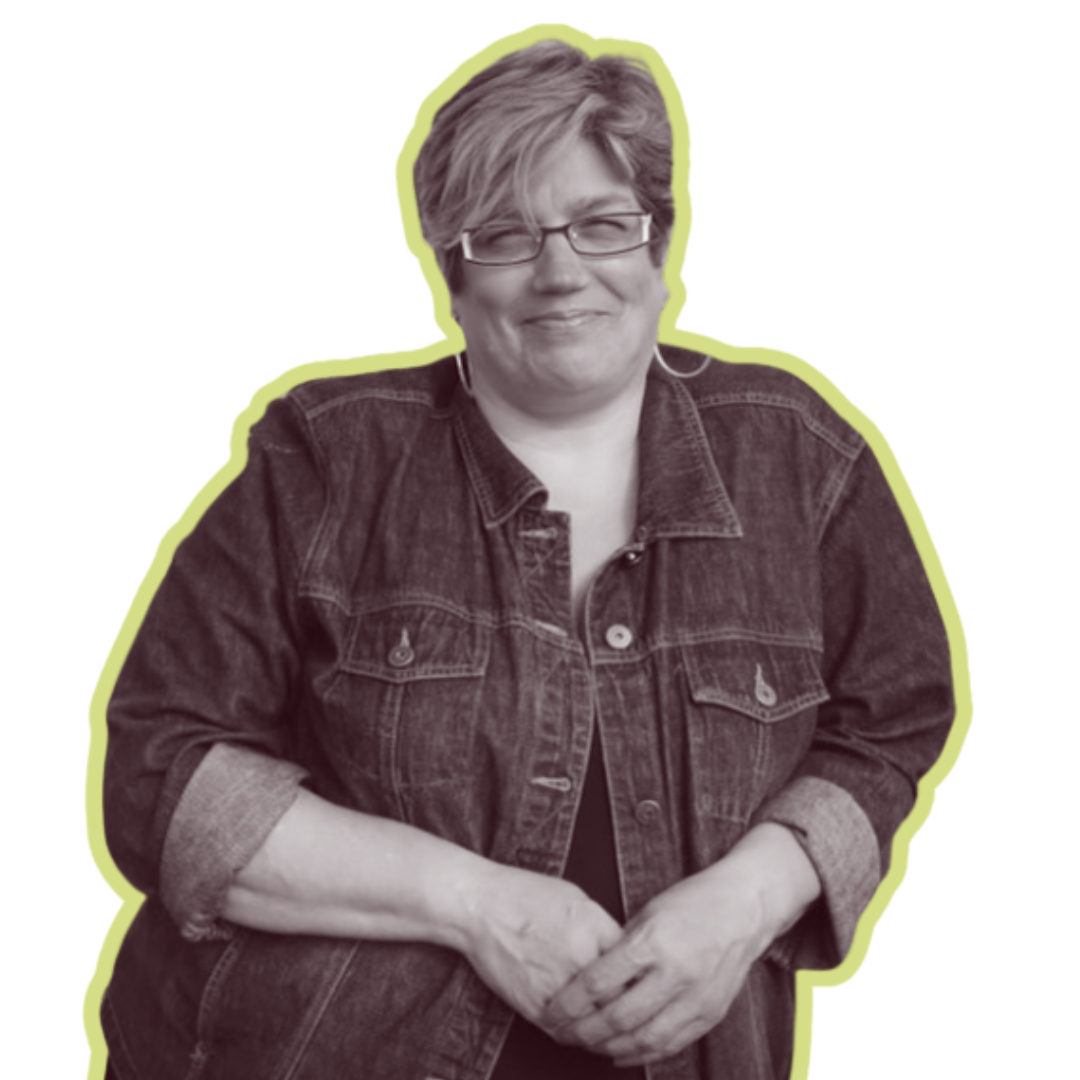
Lisa Lowthers
Lisa has 30 years of experience in helping develop and validate business models. Having started in the for profit sector, she expanded to working in the nonprofit sector 15 years ago. She understands the importance of community engagement and the optics of municipality-led development enhancing the existing business ecosystem rather than competing with it, having worked for two municipalities in the past – once in recreation and once in business development and recruitment. She has been part of the development of three food related markets in the past two years, and has done several projects with the Wolfville Farmers Market and one with the NS Farmers Market Association. As Founding Chair of a food security nonprofit in the Annapolis Valley she understands the challenges and opportunities for local markets to bring local food closer to the tables of local residents, and of how these third spaces build community resilience.
From Local Gifts to Local Action: Building Shared Futures through Community Well-Being
Interactive Exercise and Guided Breakouts
Friday August. 2:30PM-4PM @ The North Shore Recreation Centre Hall
Often, communities have what they need to support collective well-being, and in the face of multiple overlapping crises, the ability to identify and mobilize these strengths for change becomes increasingly important. This 90-minute workshop offers an experiential, practical introduction to do just that through asset-based community development (ABCD). Participants will uncover gifts, skills, knowledge, and connections, which are sometimes not visible, and explore how to mobilize them to cultivate resilient and thriving communities.


Marian Turniawan
Marian (she/her) is a program teaching staff member at Coady Institute, StFX University in Nalikitquniejk (Antigonish). Her work supports (re)building adaptive and resilient communities in the context of climate change, grounded in nurturing human and more-than-human relationships. She begins with an understanding that bringing together many ways of knowing and being facilitates creativity, widening the lens of possibility for cultivating a world in which all can lead dignified and meaningful lives that work in reciprocity with Mother Earth. In her work at Coady, Marian supports learning in various spaces – facilitating online and in-person courses, workshops, and knowledge building activities – with partners and community members here in Nova Scotia and globally.


Jess Popp
As a Program Teaching Staff member (Asset-Based Community-Led Development) with Coady Institute at StFX University, Jess Popp (she/her) is committed to Moses Coady’s vision of “a full and abundant life for all” and focuses on the important role that relationships, critical reflection and learning, and collective action play in creating vibrant and thriving communities. She believes that as individuals and communities, we collectively have the strengths and assets to inspire meaningful change, address local challenges, and shape a future that truly works for all. Inspired by community-driven development, Jess’s work aims to aims to connect people, develop partnerships, and foster collaborative and strengths-based approaches to better support communities.
Vacant 2 Vibrant: How to Tell if a Vacant Building Can Become Community Housing
Case study with facilitated discussion: A case study followed by guided discussion to help participants connect the example to their own experiences.
Friday August 7 2:30PM-4PM @ The Tatamagouche Regional Academy Active Living Room
This session is a hands-on workshop based on a real affordable housing project delivered through the Vacant 2 Vibrant (V2V) model. The focus is how to tell early on
whether a vacant building can realistically be turned into affordable housing. Participants will be guided through a simple screening exercise using a short set of prompts drawn from a real project. Rather than reviewing detailed documents, the session focuses on how to ask the right questions at the start of a project and how to interpret the answers well enough to decide whether to move forward, pause, or walk.
During the session, participants will:
● Walk through a quick screening process to assess whether a building is a good
candidate for adaptive reuse
● Connect local housing need to practical ownership and financing options
● See where grants, patient loans, and community investment work better than
conventional financing
● Learn where projects most often run into trouble and how to identify risks early
The goal of the session is not to teach participants how to develop housing, but to help them build better judgment at the earliest stage of a project.
Participants will leave with a clear, repeatable way to assess opportunities, avoid common missteps, and understand when community finance can meaningfully change the outcome.
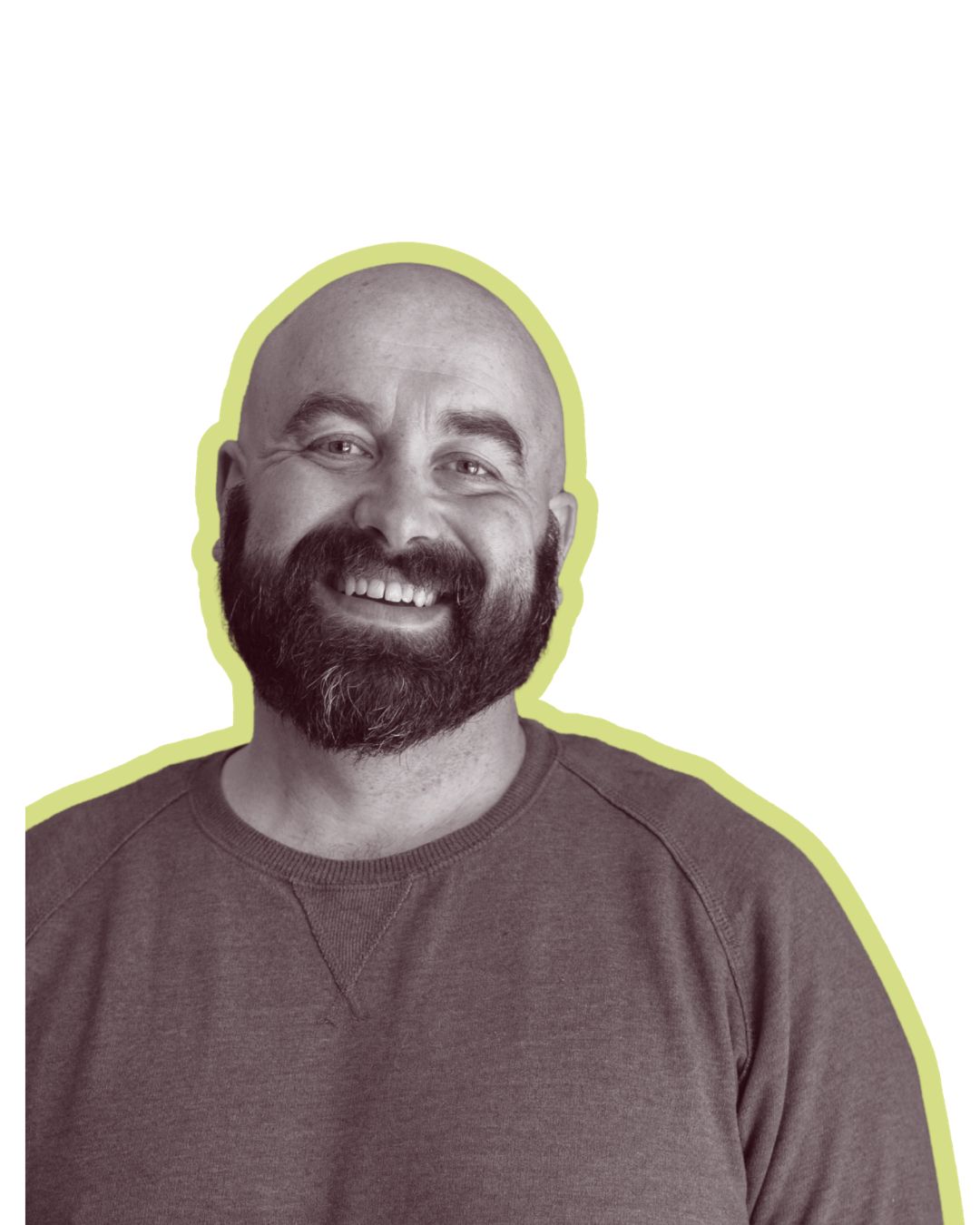
Justin Sweeney
Justin Sweeney is a community finance consultant focusing on private lending, community investment funds, and financing for social-purpose real estate. Drawing on deep expertise in structuring and executing debt investments, Justin partners with organizations to fill capacity and administrative gaps between capital and community. His work spans remote, rural, and underserved areas across Canada.
Mental Health & Wellbeing for Resilient Communities
Interactive Workshop
Friday August 7 2:30PM-4PM @ Tatamagouche Library Patterson Room

Mark & Alexandria from Pure Meditation Centre Nova Scotia will share introductory mediative techniques that participants can take away, a background of meditation, and an energy care workshop: we’ll be identifying the connection between optimum mental health, and the taking care of one’s spiritual; how they are closely linked, how one affects the other and how we can achieve the necessary balance between them to enhance all aspects of work, rest and play.
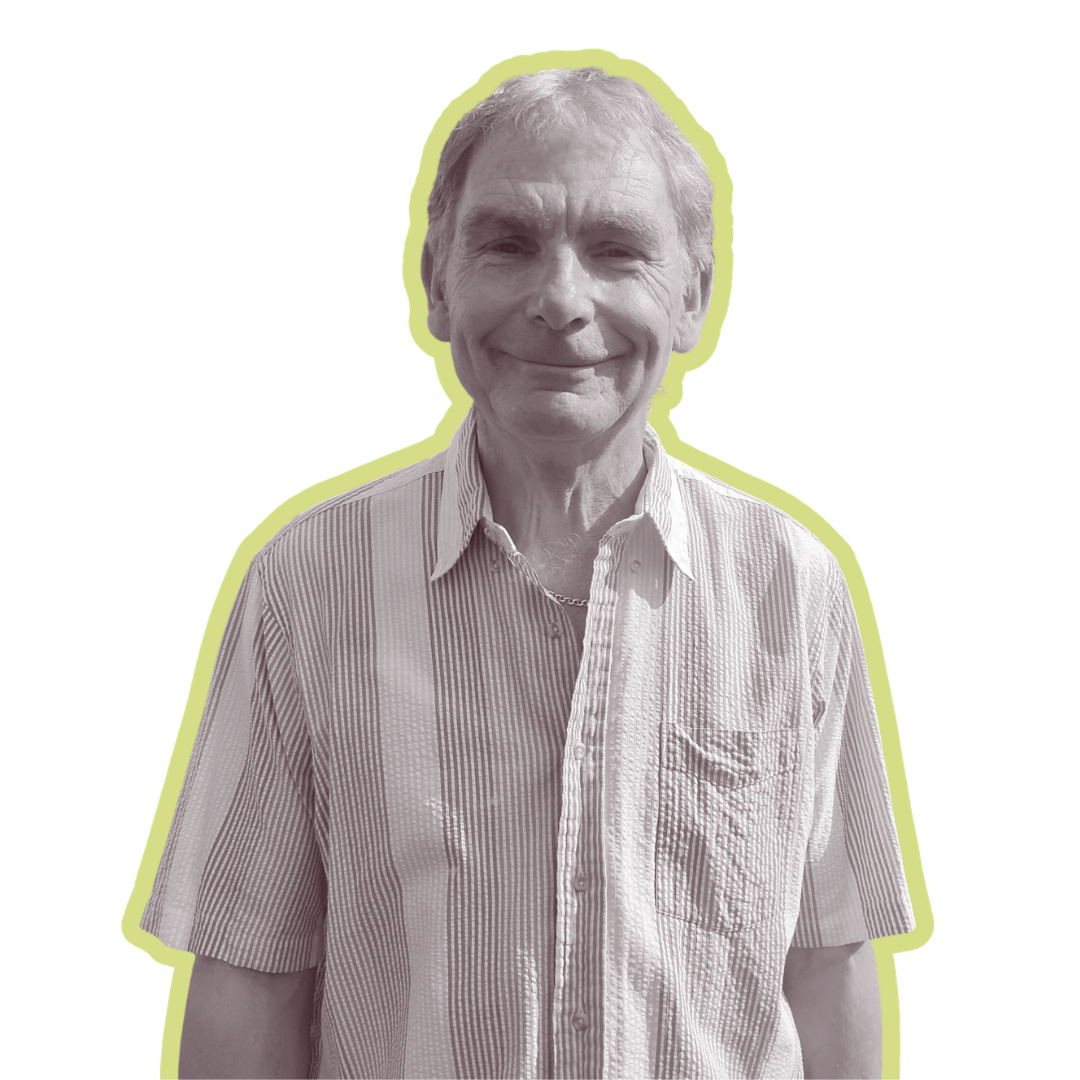
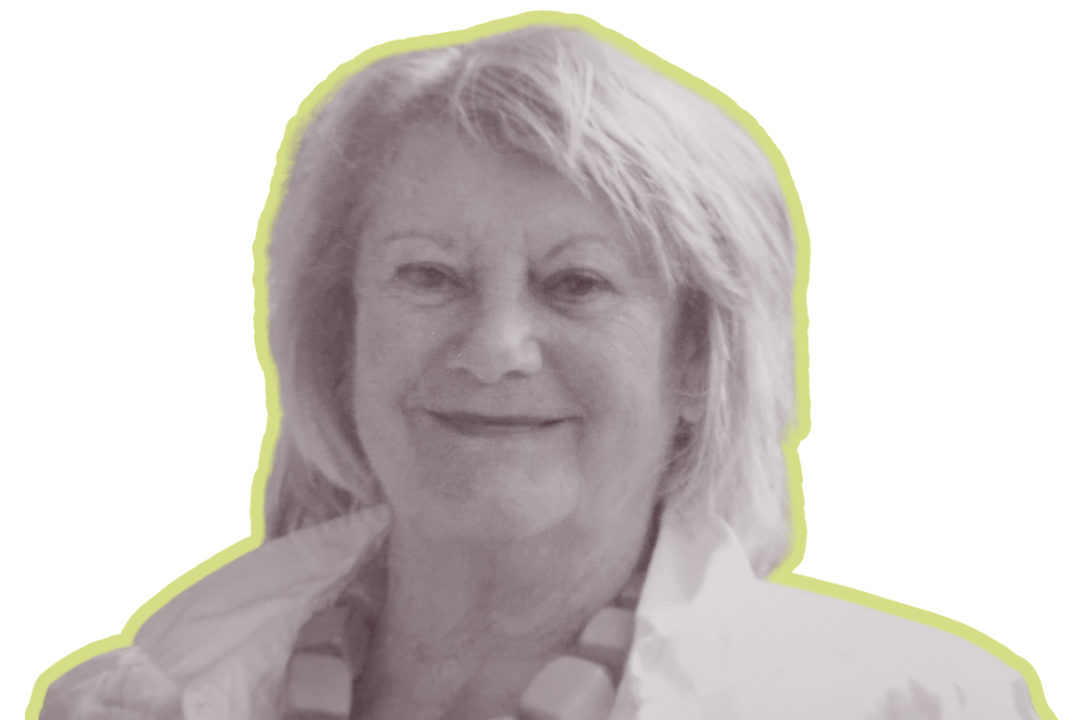
With more than 30 years of experience in community holistic care across Canada, this team has spent over a decade in British Columbia teaching Holistic Energy Care through Capilano College, the Indigenous College, and other post-secondary institutions in Vancouver, while operating a residential healing centre on the Sunshine Coast and a weekly outreach healing clinic in Kitsilano.
For the past 17 years in Nova Scotia, they have continued to teach mindfulness, walking mindfulness, and beginner meditation to support mental and emotional wellbeing. Through Nova Scotia Hospice Palliative Care’s Healing Pathways program, they offer courses including Enhance, which supports individuals through grief and transition; Holistic Mindfulness, focused on changing negative thought patterns and behaviours; and Peaceful Minds ~ Peaceful Hearts, a pathway to emotional wellness. They also provide training for health professionals, social workers, and caregivers through their Caring for the Carers program.
Investing in Place: How Rural Communities Can Unlock Local Philanthropy
Presentation and group discussions
Friday August 7 2:30PM-4PM @ Tatamagouche Regional Academy Music Room
Rural communities are rich in people, businesses, and families who care deeply about the places they call home. Yet many not-for-profit organizations believe there simply isn’t enough local wealth to sustain their missions, leading them to rely heavily on government funding and grants. This session challenges that assumption by exploring how rural organizations can identify and unlock the philanthropic potential that already exists within their communities. Participants will learn why place-based giving remains one of the strongest drivers of charitable investment and how compelling local stories, meaningful relationships, and measurable community impact can inspire individuals, businesses, and foundations to invest in lasting change.
Moving beyond traditional fundraising, this presentation introduces the concept of community investment—a long-term approach that positions charitable organizations as essential partners in building healthier, more resilient, and more prosperous communities. Drawing on examples from Nova Scotia and practical fundraising strategies, participants will discover how to map community assets, engage local leaders and business owners, cultivate major donors, and develop partnerships that create sustainable sources of support. Attendees will leave with practical ideas and a renewed perspective on how to build a culture of philanthropy that strengthens both their organization and the communities they serve.
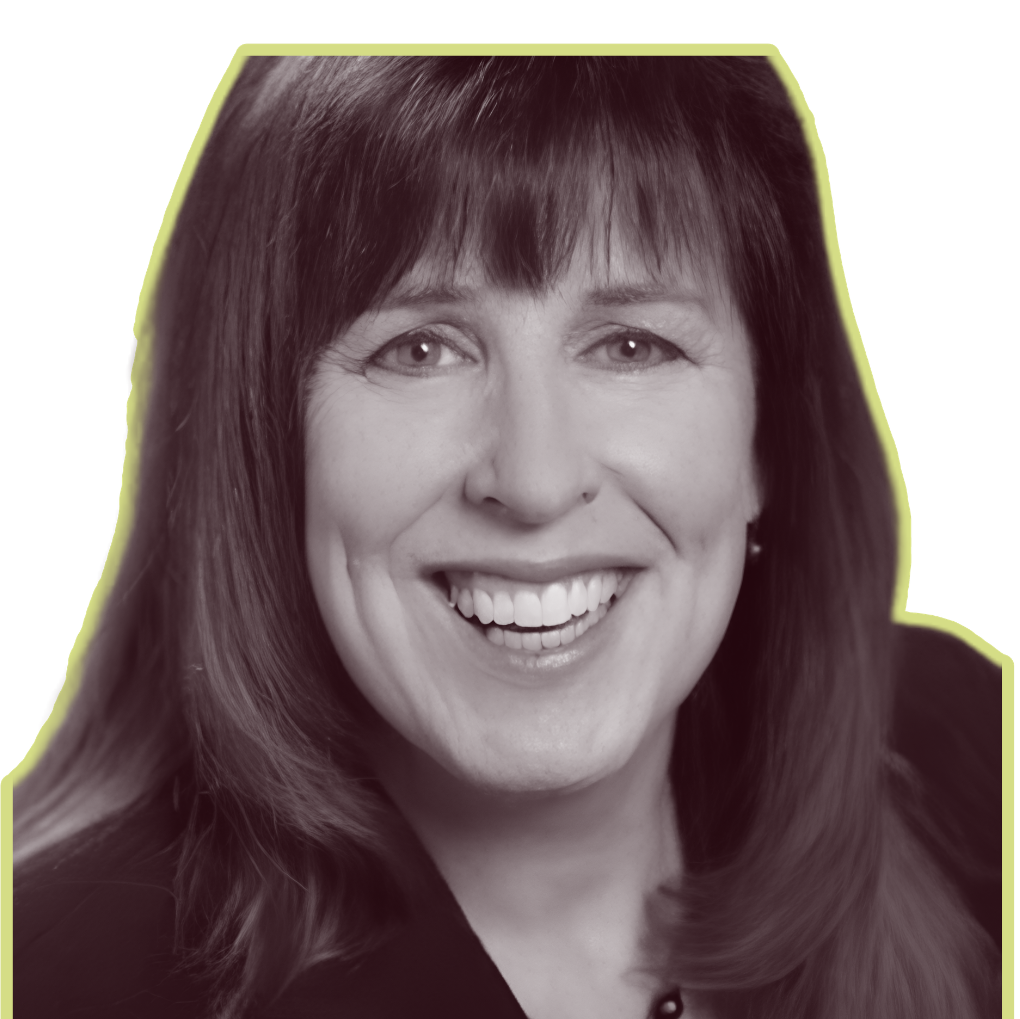

Shirlanne Pawley-Boyd
Shirlanne Pawley-Boyd is seasoned fundraising executive with more than 30 years of experience, she has built a distinguished career securing transformational support across the health care, post-secondary education, and arts and culture sectors. Her professional experience includes leadership roles with United Way of Peterborough & District, United Way of the Lower Mainland, BC Children’s Hospital Foundation, Fleming College, Trent University, and the Canadian Canoe Museum. Throughout her career, she has advanced organizational growth and sustainability by leveraging deep expertise in donor engagement, campaign strategy, and philanthropic leadership.
Known for her strength in communications, stakeholder relations, and strategic partnerships, she brings a thoughtful and collaborative approach to every initiative. For the past five years, she has worked with a boutique consulting firm, partnering with clients to plan and implement successful capital campaigns. She excels at cultivating meaningful relationships, aligning diverse interests, and positioning organizations to achieve ambitious goals through compelling cases for investment and effective partnership development.
Presentation with elements of storytelling and discussion
Friday August 7 2:30PM-4PM @ Creamery Square Grace Arts Theatre
Migrant workers are critical to local economies, contributing to sectors such as farming, seafood processing and construction. Yet, too often they face low wages, unstable employment, and unsafe conditions. This session will share findings of recent research conducted by the Centre for Migrant Worker Rights Nova Scotia on the experiences of migrant workers in the North Shore and Annapolis Valley.
This session will examine the challenges and vulnerabilities faced by migrant workers, highlight their vital contributions to local communities, and explore policies and supports that enable both workers and communities to thrive.
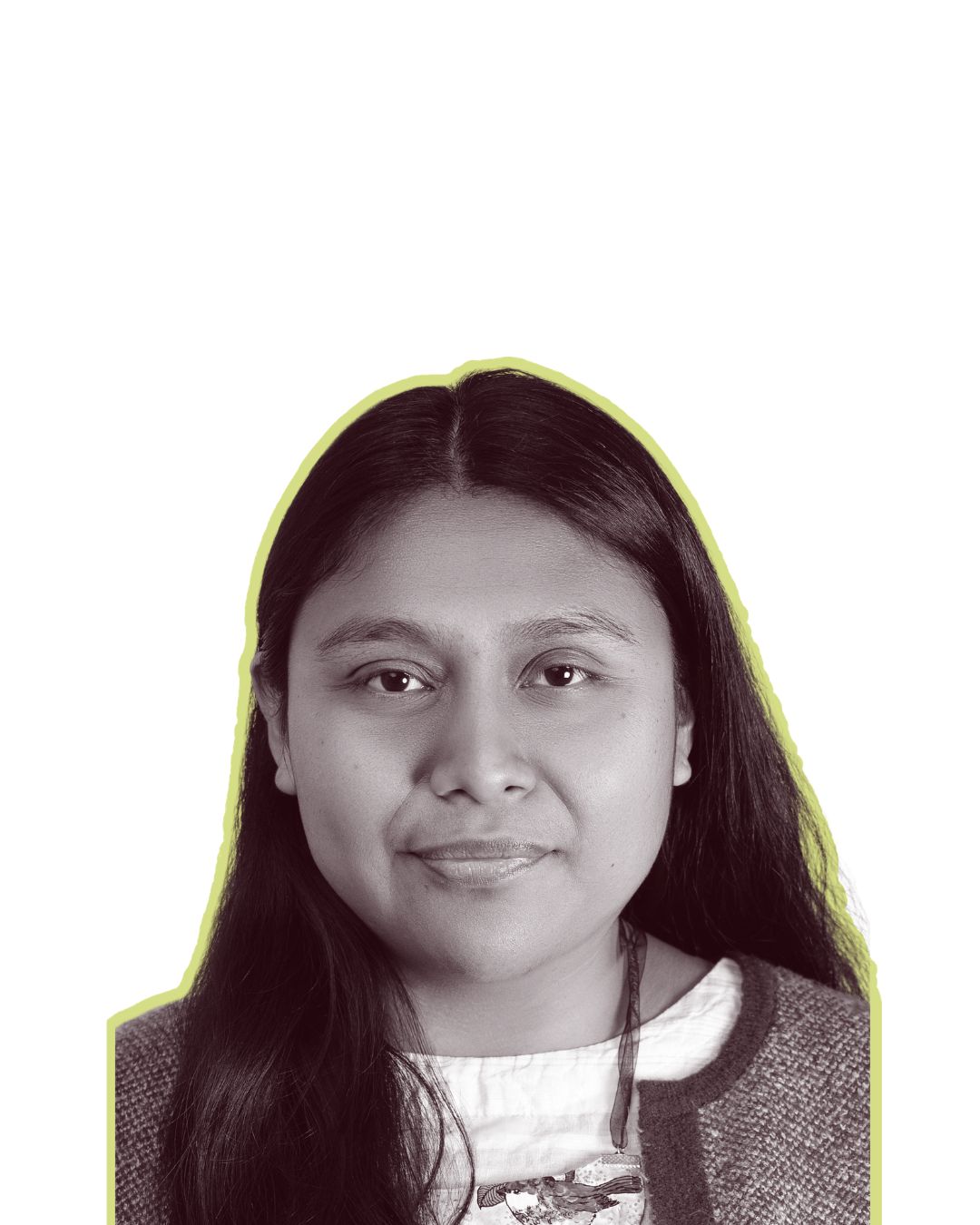
Stacey Gomez
Stacey Gomez is the Co-Founder and Executive Director of the Centre for Migrant Worker Rights Nova Scotia. She brings over 15 years of experience advancing migrant rights, gender justice, and international solidarity in Canada.
Since 2021, the Centre has reached more than 8,000 migrant workers. Under her leadership, the organization has worked alongside migrant workers to achieve successful outcomes in landmark cases related to healthcare access, labour rights, and workers’ compensation.
She is the co-author of two reports: Listening to Women Migrant Workers: A Needs Assessment on the North Shore of Nova Scotia and Heavy Hearts and Minds: Mental and Emotional Well-Being Among Migrant Agricultural Workers in Nova Scotia’s Annapolis Valley. She holds a Master’s degree in Development Studies from York University.
Growing More Than Food: A Participant-Led Farm Strengthening Community, Food Security, and Local Economies
Panel
Friday August 7 4:30PM-6PM @ Tamagouche Regional Academy Active Living Room
What happens when a community invests in people, food, and local economic resilience at the same time? Join Summer Street for the story of a participant-led closed-environment farm that is creating meaningful employment, strengthening local food systems, and contributing to community food security in rural Nova Scotia. Presented jointly by members of Summer Street’s Participant Council and employees working on the farm, this session will explore how the project evolved from a vision into a thriving social enterprise. The Participant Council is a leadership group that gives people with diverse abilities a direct voice in organizational planning, decision-making, and advocacy at Summer Street. Presenters will share how participants helped shape the farm’s development and continue to influence its growth and operations.
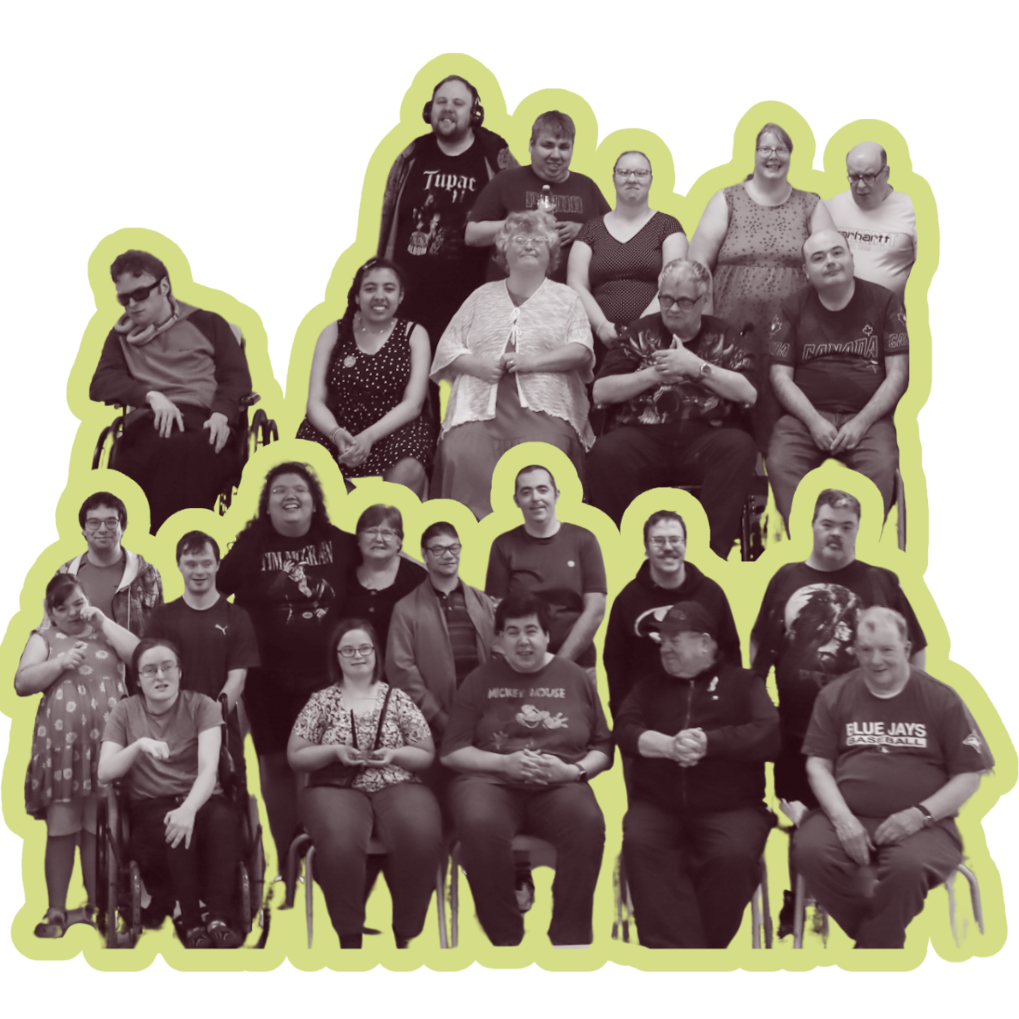
Summer Street Community of Champions
At Summer Street, we believe communities are strongest when people share their experiences, ideas, and lessons learned. We look forward to joining the conversation, sharing our journey, and learning alongside others who are working to strengthen local economies, food systems, and opportunities for everyone to contribute.
Beyond the Idea: Building a Co-op That Works
Panel
Friday August 7 4:30PM-6PM @ Tatamagouche Regional Academy Cafeteria
Many people are drawn to co-operatives because of their values — shared ownership, democracy, local benefit, and mutual support. But turning those values into a functioning enterprise takes discipline, structure, patience, and strong relationships. This workshop will provide a practical look at the risks, rewards, challenges, and success factors involved in starting and managing a co-operative, with insights from experienced and emerging co-op leaders.
Panelists:
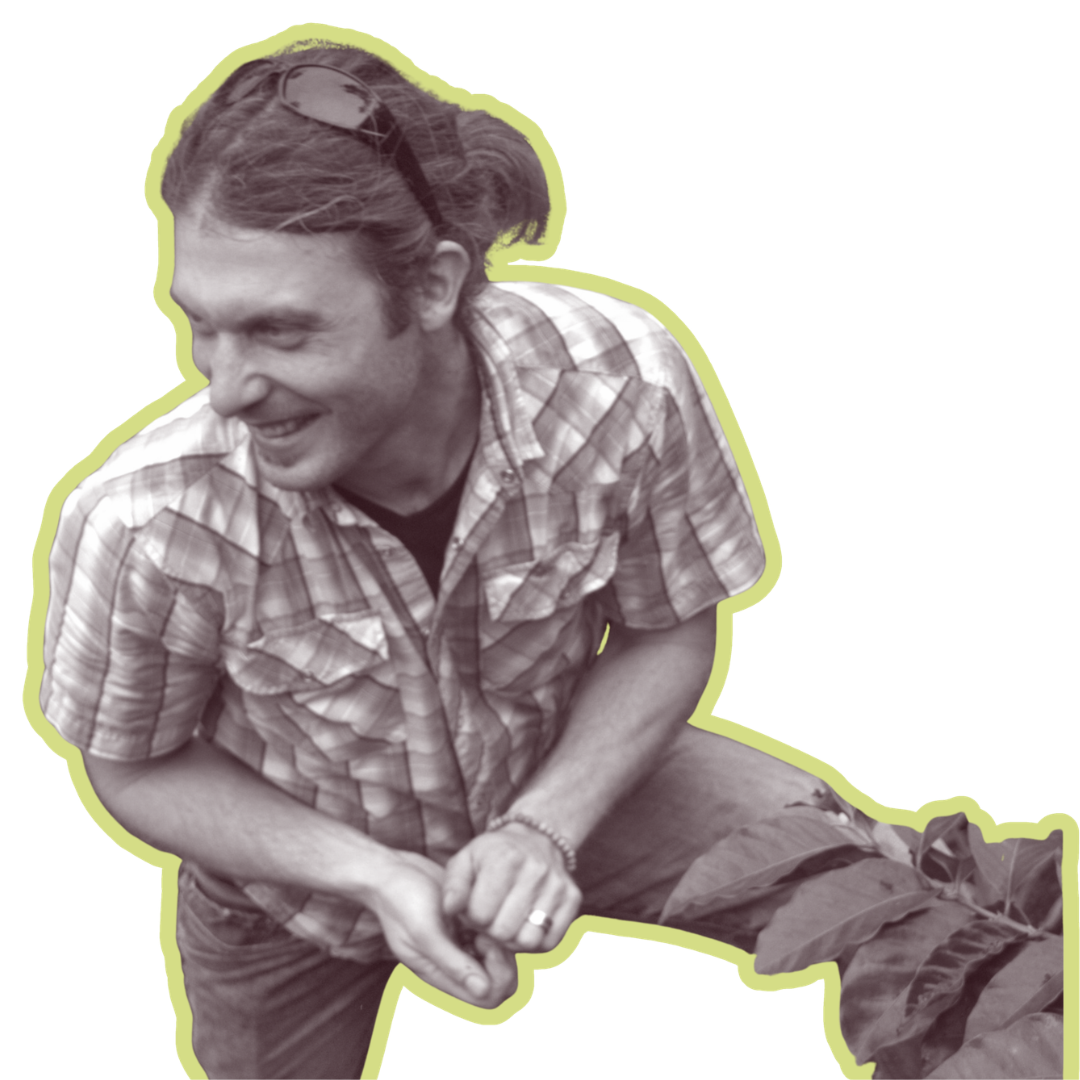
Joey Pittoello
Joey joined Just Us! Coffee Roasters Co-op in 2009 as a way to support his passion for organic farming, social justice, and the local economy. Over the years, he’s worn many hats at Just Us!, including Chocolatier, Coffee Roaster, Director of Coffee, Production Manager, and currently, General Manager. He’s also a Worker Member of the Co-op, which is collectively owned and operated by about 20 Worker Members. While farming has shifted into more of a hobby, Joey continues to live out his commitment to organic regenerative agriculture, social justice, and local-mindedness through his relationships with small-scale coffee farmers, his engagement with fair trade and the co-op movement, and his involvement with local businesses in the Wolfville area. He, his partner Sarah, and their two children, Mia and Lewyn, live on a small farm near Wolfville, Nova Scotia.

Just Us!
Just Us! is celebrating its 30th year as Canada’s first fair trade organic coffee roaster. Established in 1995 as a worker co-op, Just Us! endeavors to seek social and environmental justice through its involvement in the coffee industry, the co-operative movement, and through community engagement — both local and international.
Thriving with Less: Degrowth and Circular Economy as Pathways to Climate Justice.
Discussion
Friday August 7 4:30PM-6PM @ The Tatamagouche Regional Academy Music Room
Megan is an activist-scholar currently living on the unceeded territories of the Mi’kma’ki people in what is colonially known as Lower Sackville, Nova Scotia. She is a white settler with mixed Mi’kmaw and European heritage. Megan’s work is inspired by the disconnect she feels between the environment and humanity. She is currently a PhD candidate in the Labour Studies department at McMaster University. Her research focuses on the perceptions and experiences of just transition policies among workers and communities in Cape Breton, Nova Scotia who depend on fossil fuel extraction for economic survival, but at a distance through patterns of long-distance commuting. Her academic research also explores just transition at different scales; from the international level all the way down to the local including movements for degrowth and local economic future imaginaries. Megan is also engaged in various climate justice spaces and organizations. When she’s not working, you can find Megan doing a cozy hobby like reading, puzzling, or scrapbooking.

Megan Devoe
Her research focuses on the perceptions and experiences of just transition policies among workers and communities in Cape Breton, Nova Scotia who depend on fossil fuel extraction for economic survival, but at a distance through patterns of long-distance commuting. Her academic research also explores just transition at different scales; from the international level all the way down to the local including movements for degrowth and local economic future imaginaries.
From Data to Action: The Social Economy in Practice
Case study with facilitated discussion: A case study followed by guided discussion to help participants connect the example to their own experiences.
Friday August 7 4:30PM-6PM @ The North Shore Recreation Centre Hall
What does the social economy actually look like in our communities and how do we grow it? This session draws on the Pond-Deshpande Centre’s (PDC) state of the sector research to ground us in where things stand, then shifts into case study and hands-on exploration of how practitioners are putting that knowledge to work using PDC’s social enterprise toolkit. Through facilitated discussion, participants will share their own experiences, connect the dots between research and real-world practice, and leave with concrete ideas and resources for strengthening the social economy in their own communities. Whether you’re new to the social economy or deep in the work, this session is for you.


Vanessa Paesani
What does the social economy actually look like in our communities and how do we grow it? This session draws on the Pond-Deshpande Centre’s (PDC) state of the sector research to ground us in where things stand, then shifts into case study and hands-on exploration of how practitioners are putting that knowledge to work using PDC’s social enterprise toolkit.
Through facilitated discussion, participants will share their own experiences, connect the dots between research and real-world practice, and leave with concrete ideas and resources for strengthening the social economy in their own communities. Whether you’re new to the social economy or deep in the work, this session is for you.
Building Community-Owned Food Infrastructure
Chat
Friday August 7 4:30PM-6PM @ Creamery Square Grace Arts Theatre
Exploring the institutions, enterprises, and infrastructure needed to build resilient regional food systems. Drawing on examples from co-operatives, food hubs, community finance initiatives, local food businesses, and other community-rooted enterprises, this interactive session will examine how communities are creating the processing, aggregation, storage, distribution, procurement, and financing systems needed to strengthen local and regional food economies. Together, participants will explore what infrastructure already exists, what is missing, and where opportunities lie for greater collaboration, investment, and community ownership across Atlantic Canada.
Linda Best
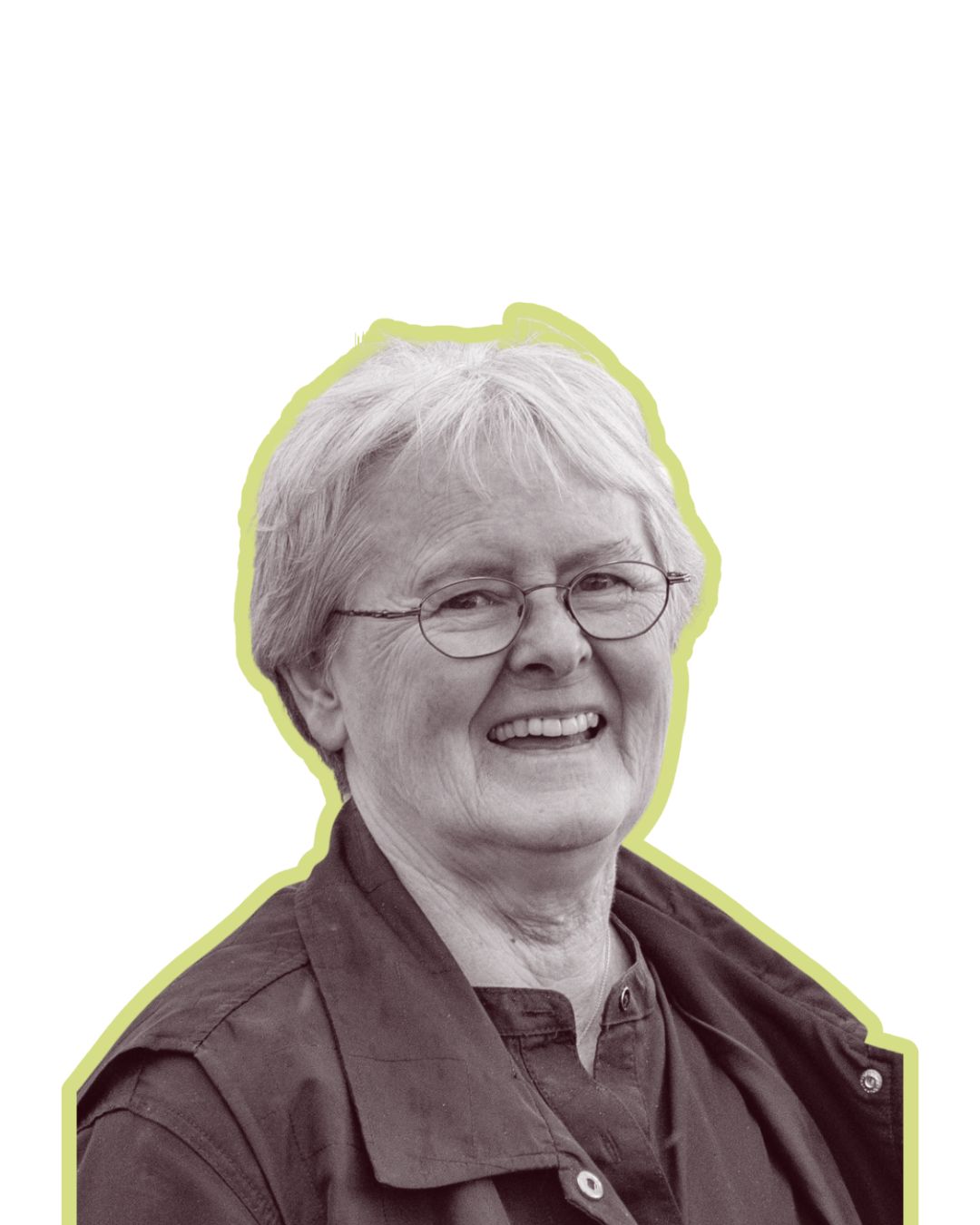
Linda grew up in Somerset in the Annapolis Valley on a mixed farm – dairy, apples, field crops – helping on the farm and eating fresh local food.
With a BSC from Acadia University, Linda began a 50 year career at the QEII Health Sciences Centre as a Medical Microbiologist, Researcher, author, speaker, supervisor and a Director of Capital District Health Authority. She operated an apple orchard on the weekends and founded Frame Plus Art which grew to three locations and a production facility.
Linda came to realize that one of the most effective ways to prevent illness is to ensure that people have access to nutritious food. Aware of the decreasing production of food in Nova Scotia, she founded Friends of Agriculture in Nova Scotia (FANS) and organized the 2009 Nova Scotia Food Summit attended by over 250 people who care about people and food.
FANS planted the seeds for FarmWorks Investment Co-operative Limited, a Community Economic Development Investment Fund. Linda continues as Executive Director of a Board of 12 volunteers supporting FarmWorks’ vision of healthy farms, healthy food. To date, Nova Scotians have invested $6.5 M in FarmWorks and as of June 2026, $12.6 M has been loaned to over 170 food related businesses across Nova Scotia.
In 2019 FarmWorks Founders Linda Best and Ann Anderson received the Taste of Nova Scotia Gary Macdonald Culinary Ambassadors of The Year Award for their promotion of local farms and food. In 2020 Linda received the Order of Nova Scotia, in 2022 the Queen’s Platinum Jubilee Medal and in 2024 the King Charle’s Coronation Medal.
Estelle Levangie
Estelle grew up on a dairy farm in Northern France. While studying agriculture, she met her husband in Truro and officially immigrated to Cape Breton in 2009.
Soon after they bought a farm in Millville, had 3 boys and are still farming raising free range chickens, pigs and cattle as well as growing a market garden.
Estelle has been working for the Cape Breton Food Hub for the past 2 and a half years as Logistics and Operations Manager, connecting farmers and food producers to consumers across Cape Breton. Lately she was on a delegation to Guatemala with Breaking the Silence Network and learned about the struggles that farmers face in this part of the world.


Dr. Phoebe Stephens
Dr. Phoebe Stephens is a critical food studies scholar and Assistant Professor in the School for Resource and Environmental Studies at Dalhousie University. Her research explores how financial systems, markets, and institutions shape the sustainability and resilience of food systems, from local and regional economies to global capital markets. Her work in Nova Scotia has examined the financing ecosystem for sustainable food and agriculture, the role of farmers’ markets in regional food systems, and the infrastructure needed to support sustainable food enterprises. She works closely with community organizations, policymakers, and food-system practitioners to produce research that responds to real-world challenges and supports practical action.
Saturday
From Grass Roots to Neural Network: AI in the Context of Local Community
Show & Tell / Live Demo
Saturday August 8 10AM-11:30AM @ Tatamagouche Library Patterson Room
Rural communities have particular needs, and new possibilities to address them are opening up with AI-assisted software development. How do small communities take advantage of them, without being taken advantage of?
Michael Jensen is building three experiments: Carpoolable.ca (for province-scale travel cost sharing/carpooling), LocalLendables.com (for a community-scale “library of shared things” lending/tracking system), and CommonsCommunities.com, which has TataCommons.com as Tatamagouche’s site for a community-centered Calendar of upcoming Events, business listings, news, and other member-engagement mechanisms. He’ll talk about the sustainability models, goals, successes, and many failures, as well as leading a discussion around needs and opportunities that rural folks might address, with clever systems.

Michael Jensen
Michael Jon Jensen’s career in publishing technology followed the development of personal computers, and the Internet. He built networks, wrote programs, led the startup phase of Project Muse, and built the first fully open and searchable online book publishing program, for the U.S. National Academies of Sciences Press. He and partner Susan Stephen moved to the Diamond Farm on Loganville Rd in 2009. Since he “retired” in August of 2022, he has been able to work exclusively on public interest projects that might make a difference to rural living, such as the TataCommons.com, and LocalLendables.com.
Food as Community: Building Belonging, Participation & Resilience
Discussion
Saturday August 8 10AM-11:30AM @ Creamery Square Grace Arts Theatre
Exploring how food can serve as a catalyst for connection, belonging, learning, and collective action. From community food forests and gardens to neighbourhood food initiatives, participatory planning processes, and culturally-rooted growing practices, communities across Atlantic Canada are creating spaces where people come together to share knowledge, build relationships, strengthen local resilience, and shape their own food futures. This interactive session will explore how community-led food initiatives foster participation, inclusion, cultural connection, and mutual support while creating pathways for deeper civic engagement and community wellbeing. Together, participants will reflect on what helps communities thrive, where opportunities for connection exist, and how food can strengthen the social fabric needed for long-term resilience.

Jayme Melrose
Jayme is a Halifax-based community organizer, Community Food Coordinator, and cooperative governance nerd who has spent years getting her hands dirty – literally and figuratively – in local food systems. She works with the JustFOOD Halifax Network at the Ecology Action Centre, and helps steward Scotch Village Co-operative Farm, which means she spends a lot of time thinking about soil, money, and how people make decisions together (not always in that order).
Jayme has deep roots in Halifax’s food systems community, including founding and growing Common Roots Urban Farm from a seed of an idea into a place that thousands of hands have helped shape, and that’s still growing today. She serves on the board of iNova Credit Union and believes that strong local economies are built the same way good food systems are – one relationship, one act of trust, and one well-tended plot at a time.

Mandy Sandbach
Mandy Sandbach of SOULfully SOIL is a permaculture practitioner and longtime community organizer who coordinates the Scotsburn Community Food Forest and supports resilient, relationship-centered food systems through nearly two decades of hands-on experience.

Robert Cervelli
Robert has been an active volunteer in community building for over 45 years. He founded and manages Transition Garden (www.transitiongarden.ca) a cooperatively run ‘teaching centre micro-farm’ on three acres of land at his home in St Margarets Bay, NS. The gardens are managed by 5-8 families with regular visits and help from students of all ages and other groups. Robert is also a co-founder and Chair of Transition Bay St. Margarets (www.transitionbay.ca), one of the first Transition Initiatives in the Maritimes. As one of its many projects, Transition Bay maintains a volunteer-run educational vegetable garden with harvests going to the local food bank. Mr. Cervelli is a Senior Advisor and Co-founder of the Centre for Local Prosperity (www.centreforlocalprosperity.ca). He has corresponded internationally and attended key international events on alternative economics and local empowerment.
Arts at Work: Beyond Community and Economic Development
Panel discussion
Saturday August 8 10AM-11:30AM @ The North Shore Recreation Centre Hall
The arts are integral in the formation of community; it appears in every facet of development, sustaining culture and belonging, and helps create a unifying and distinctive voice to its stakeholders. Visual Arts Nova Scotia’s Executive Director, Therese Cruz, will present a panel of community members, board members and arts administrators who are connected through arts-based work, art spaces and events in rural Nova Scotia. Topics to be covered will be artists-entrepreneurs as economic drivers, the importance of rural arts and supporting rural artists, and each of their challenges and wins with community buy-in, among others.
Moderator:

Therese Cruz
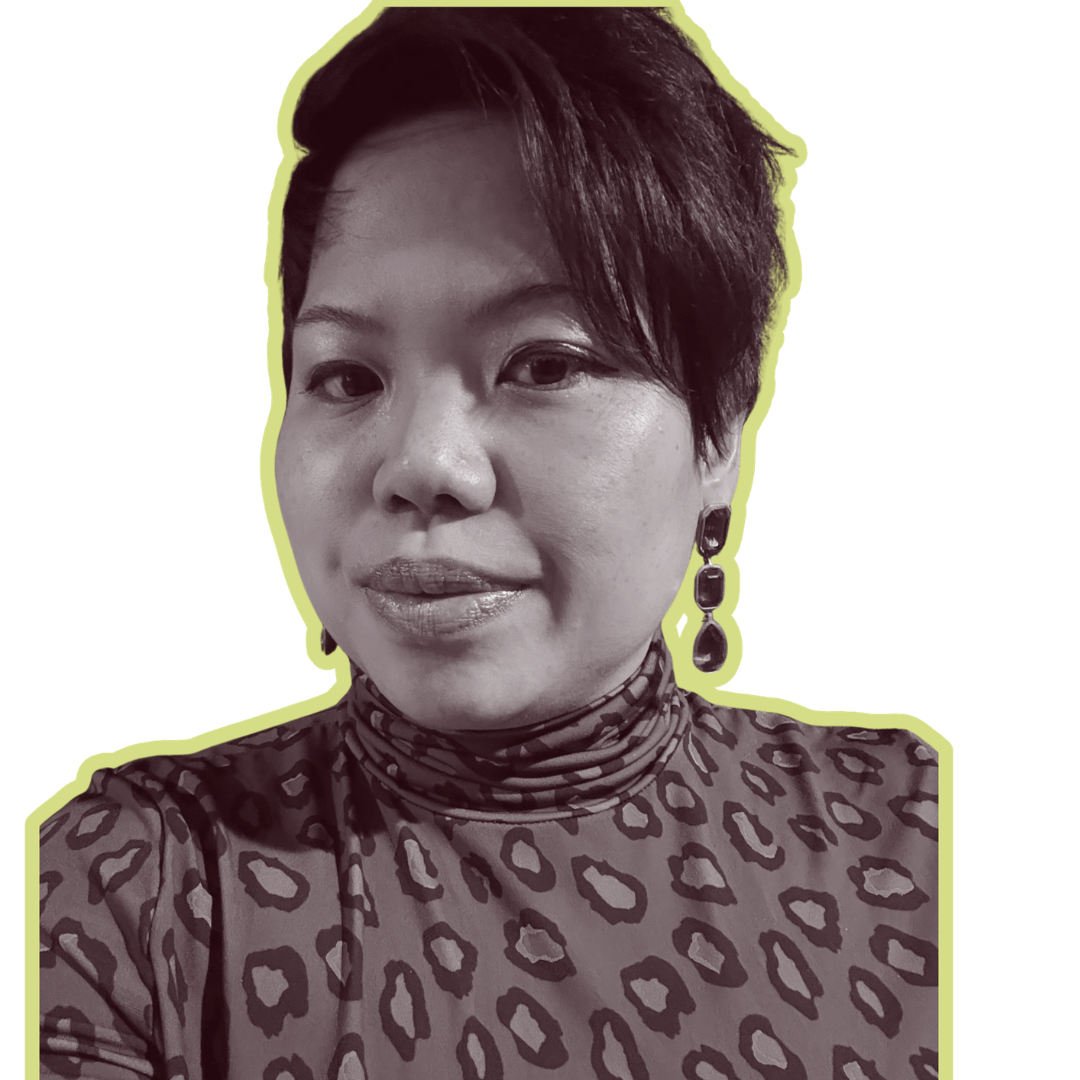
Therese Cruz is a dynamic leader deeply committed to fostering community prosperity in Nova Scotia. As the Executive Director of Visual Arts Nova Scotia, she passionately champions the province’s visual artists, advocating for their recognition and growth within the vibrant arts scene. Beyond the arts, Therese is a proud advocate for local food systems, serving as President of Farmers Markets of Nova Scotia. In this role, she supports the promotion of sustainable agriculture and direct connections between producers and consumers, strengthening the local economy. Her dedication extends to supporting small enterprises as a member of the Shelburne and Area Chamber of Commerce, where she works to enhance the vitality of local businesses. Furthermore, as a Town Councillor in Shelburne, Therese emphasizes the critical importance of government support and strategic investment in ensuring the long-term prosperity and resilience of rural communities. Her multi-faceted involvement underscores a holistic approach to community development, blending cultural enrichment with economic sustainability.
Panelists:


Carissa Ainslie
Carissa (she/her) is a Queer creative and community arts organizer who holds a Bachelor of Design from the Ontario College of Art and Design University (2014). She has a special interest in connecting artists and creatives with opportunities, spaces, and professional networks.
Over the past decade, Carissa has worked with artists across a wide range of mediums, supporting projects in diverse settings from festivals, professional galleries and pop-up exhibitions throughout Canada and the United States. After returning home to Nova Scotia/Mi’kma’ki in 2022, Carissa has immersed herself in rural community arts. She served as the Antigonight: Art After Dark Festival Coordinator in 2022 and 2023 and is the current Executive Director of Creative Pictou County. She is also the founder of The Meadows Retreat and Creative Space, an artist residency located in Pictou County and is the Chair of Pictou County Pride.
About Creative Pictou County
Creative Pictou County is a not-for-profit organization founded in 2013 to support arts and culture in the region. Our mission is to create connections between artists, organizations and the local community to support the growth of the creative sector in Pictou County. We do this by promoting local artists, providing networking and skill-sharing opportunities, offering events and training opportunities, and providing educational support to help artists build successful businesses.


Geoff Agombar
Geoff Agombar is Assistant Gallery Director for Annapolis Region Community Arts Council and ARTSPLACE, a community arts organization and gallery rooted in the Annapolis region. ARTSPLACE comprises four gallery spaces, each presenting 5-12 exhibitions per year. ARCAC is also known for its August Paint the Town event and varied programming series including workshops, artist talks, film screenings, youth camps, and more. Originally from Bridgetown (NS), Geoff spent most of this century working arts admin roles in Montreal’s English arts scene. Notable professional roles include General Manager of MainLine Theatre and Montreal Fringe
Festival, Office Manager of the English Language Arts Network (ELAN), and stints as a journalist for the Annapolis Spectator (NS) and Sherbrooke Record (Quebec). He returned to Nova Scotia full time in 2022.
Pamela Swainson
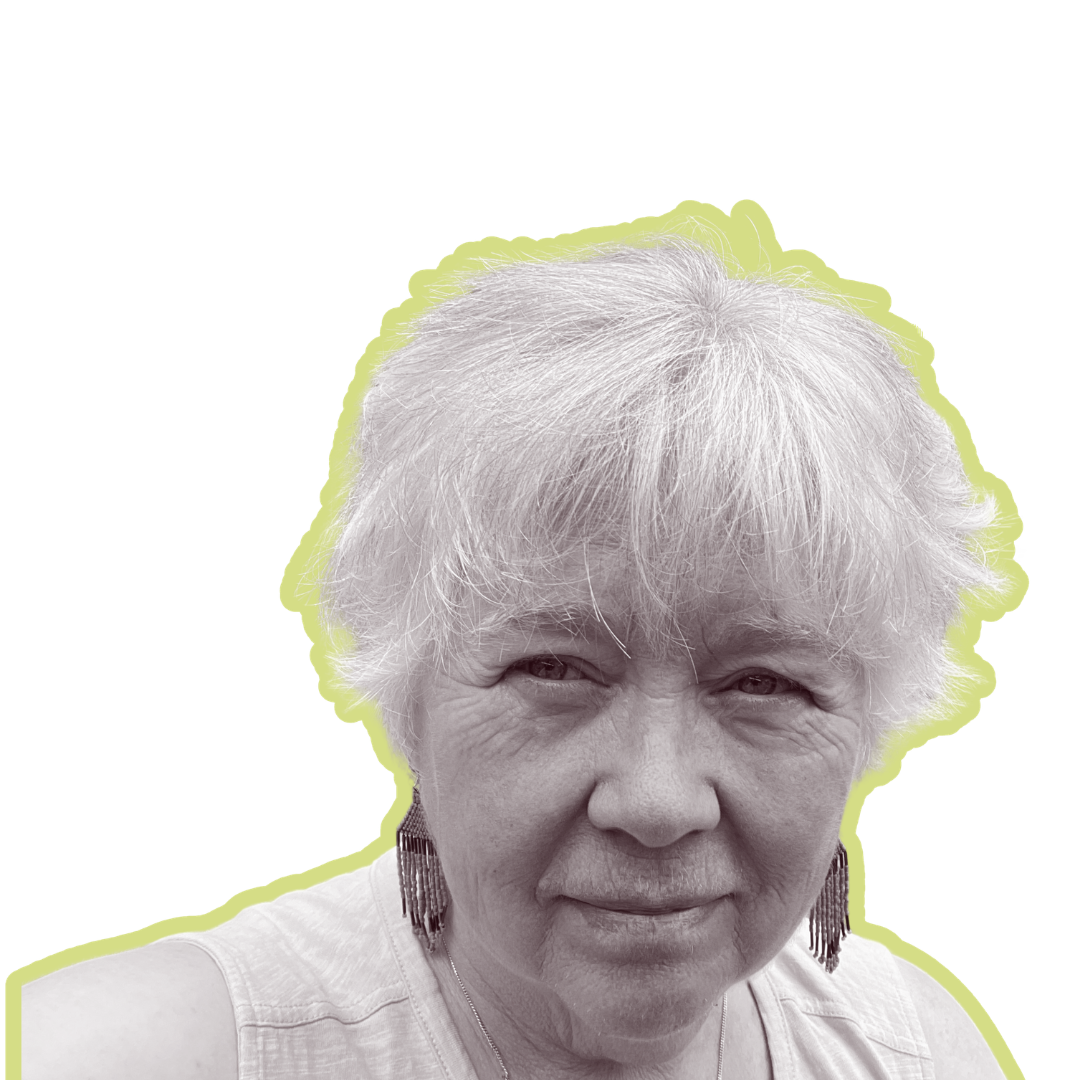
Pamela Swainson was born in Manitoba and made her way East to attend the Fine Arts Program at Mount Allison University. As with many women, her art practice was shared with a career in health care and family commitments. Since 2007, she has grown her art practice resulting in a number of one person and group shows, private and public commissions. Her work often reflects her attachment to place, local living, and the human relationship to the natural world. Pamela has also given her time to promotion of visual arts in her community and the Province. She served on the VANS Board as both a member and Chair. Pamela has also served as a board member of North Shore Arts Council and as President a number of years. She continues to volunteer her time to support arts activities through teaching and promoting arts activities.
Rematriation and Land Back
Discussion
Saturday August 8 10AM-11:30AM @ Tatamagouche Regional Academy Music Room
Rematriation is an Indigenous-led movement to restore sacred relationships between Native peoples, their ancestral lands, and traditional lifeways. Unlike traditional repatriation, which centers on patriarchal legal concepts, rematriation emphasizes matrilineal systems, spiritual responsibilities, and the return of land, language, and cultural heritage to Indigenous stewardship. The Land Back movement is a decentralized, Indigenous-led campaign aimed at reestablishing Indigenous sovereignty and stewardship over ancestral lands. It is rooted in decolonization and seeks to address historical dispossession by returning land and resources to Indigenous communities, empowering them to govern their territories and protect the environment.
The philosophy and practices of rematriation and Land Back will be introduced through the Women of First Light’s experience with reestablishing stewardship of the Tatamagouche Centre property. The foundational roles that Seven Generations thinking, spirituality, consensus building, and the deep connection to the land play in navigating important decisions will be explored. Participants will learn about these vital concepts and have the opportunity to dig into the specifics with a member of Women of First Light.
The workshop leader will be Catherine Anne (Cathy) Martin, a member of the Millbrook First Nation and the Women of First Light. She is an independent, internationally award-winning film producer and director, a writer, facilitator, communications consultant, community activist, teacher, drummer, and the first Mi’kmaw filmmaker from the Atlantic region. Cathy is a member of the University of Kings College board of governors and sits as the 14th Nancy’s Chair in Women’s Studies at Mount Saint Vincent University.
Women of First Light is a non-profit group led by Indigenous women from Wabanaki Territory. They bring the Wanabaki people together to understand the universe more deeply. Each language holds a piece, and bringing them together broadens the understanding of the cosmos and our relationships with it. Their purpose is to heal their communities, families and society by remembering and returning to the traditional ways of their ancestors. They work to bring back balance and restore the role of Clan Mothers.
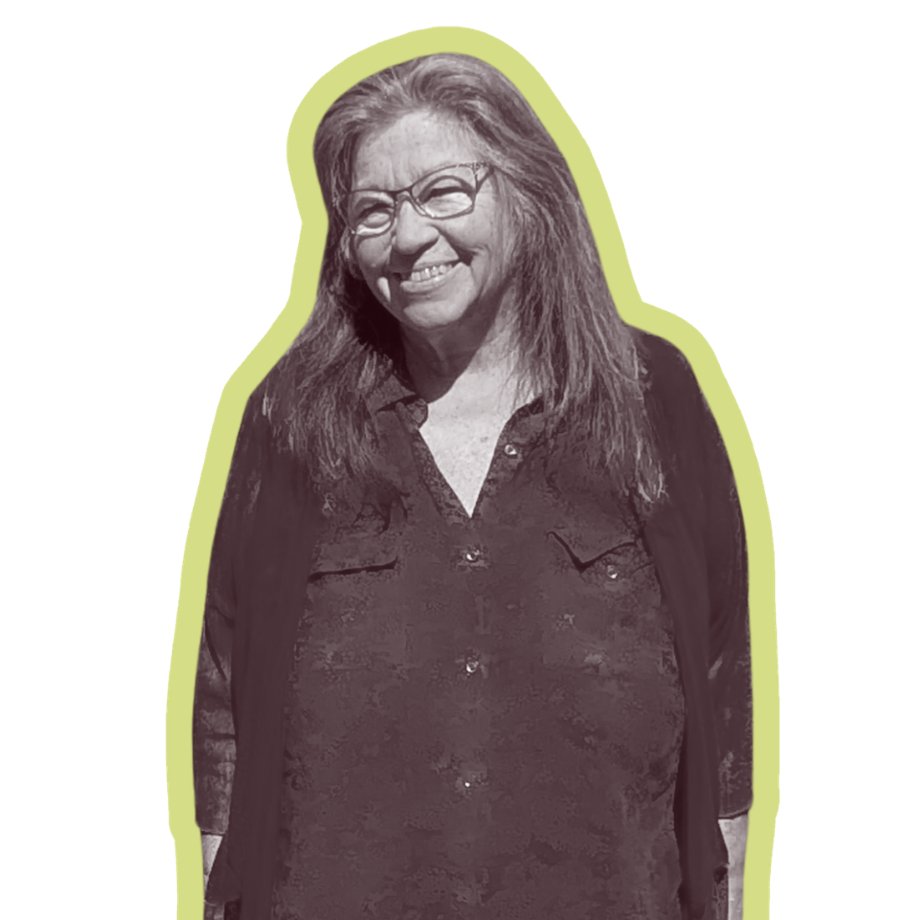

Cathy Martin
Catherine Anne (Cathy) Martin, a member of the Millbrook Mikmaw community and the Women of First Light. She is an independent, internationally award-winning film producer and director, a writer, facilitator, communications consultant, community activist, teacher, drummer, and the first Mi’kmaw filmmaker from the Atlantic region. Cathy is a member of the University of Kings College board of governors and sits as the 14th Nancy’s Chair in Women’s Studies at Mount Saint Vincent University. She was the Director of Indigenous community engagement at dalhousie Univ for past 6 years she is a recipient of the order of Canada 2017 and recently received the King Charles coronation medal.
Raising Community Capital: How Local Investors Can Fund Local Businesses
Discussion
Saturday August 8 10AM-11:30AM @ Tatamagouche Regional Academy Active Living Room
Community capital raising flips the traditional funding model, letting everyday investors put money behind the businesses and projects shaping their own neighbourhoods. This workshop breaks down how equity crowdfunding works, from both sides of the table: founders will learn how to structure and run a raise, while prospective investors will learn how to evaluate and participate in one. A central focus will be Nova Scotia’s CEDIF (Community Economic Development Investment Fund) program, which helps founders structure and hone a solid business plan while offering local investors tax relief for backing it. Drawing on his experience founding Backr, a proposed platform connecting local investors with local investment opportunities across Atlantic Canada, Marc Almon will walk through the practical steps, the regulatory landscape, and the community-building potential of this funding model. Attendees will leave with a clear picture of how community capital works and how to get involved, whether they’re raising it or providing it.

Marc Almon
Marc Almon is a film producer, arts advocate, and social entrepreneur dedicated to helping creators and communities bring ambitious ideas to life. He is currently developing Backr, a proposed equity crowdfunding platform designed to connect local investors with local investment opportunities across Atlantic Canada.
Drawing on a career of mobilizing communities around shared economic goals, Marc served as the founding chair of Screen Nova Scotia, where he led the province’s largest grassroots campaign to defend the film and television sector. He also co-founded the Light House Arts Centre, a $14 million creative hub in downtown Halifax.
His work is driven by a commitment to championing changemakers who seek to engage, inspire, and achieve, while helping communities invest in their own futures. is a film producer, arts advocate, and social entrepreneur dedicated to helping creators and communities bring ambitious ideas to life. He is currently developing Backr, a proposed equity crowdfunding platform designed to connect local investors with local investment opportunities across Atlantic Canada.
Drawing on a career of mobilizing communities around shared economic goals, Marc served as the founding chair of Screen Nova Scotia, where he led the province’s largest grassroots campaign to defend the film and television sector. He also co-founded the Light House Arts Centre, a $14 million creative hub in downtown Halifax.
His work is driven by a commitment to championing changemakers who seek to engage, inspire, and achieve, while helping communities invest in their own futures.
The Hidden Key to Workplace Success: Building Inclusive Local Economies
Storytelling session
Saturday August 8 2:30PM-4PM @ Tatamagouche Regional Academy Music Room
This workshop explores the dynamics of entering a new workplace culture and the challenges that come with it. Participants will examine how everyday gestures can have vastly different impacts across cultures. By building this cultural awareness, team members can actively prevent misunderstandings, avoid indifference, and foster a more supportive, productive environment for everyone.


Kanishk Dogra
Kanishk Dogra is the Executive Director of the Truro Colchester Welcome Network (TCWN), a newcomer settlement and community integration organization serving Truro and Colchester County, Nova Scotia. Since relocating to Nova Scotia in 2022, Kanishk has built a track record of developing programs, strengthening community partnerships, and advancing inclusion across the region. Drawing on his own experience as a newcomer, he brings both strategic leadership and firsthand perspective to his role shaping policies and initiatives that create measurable impact for people in Colchester county.


Pastor Seun Esan
Seun (Shay- hun) is a community‑focused leader, data‑driven professional, and pastor who has spent more than a decade contributing to life in Canada after moving from Nigeria. With experience at Statistics Canada, he brings strong analytical skills and a commitment to evidence‑based decision‑making to his work. Seun is deeply rooted in community service, volunteering with organizations such as the Salvation Army, Centre of Hope, local Food Bank programs, and initiatives connected to UN‑aligned community development. He also serves with the Truro Colchester Welcome Network, supporting newcomers as they settle and build meaningful connections in Nova Scotia. As a community church pastor and leader within the RCCG Open Door Sanctuary, Seun has guided major volunteer initiatives and fostered collaboration across diverse groups. His work reflects compassion, integrity, and a lifelong dedication to strengthening communities.
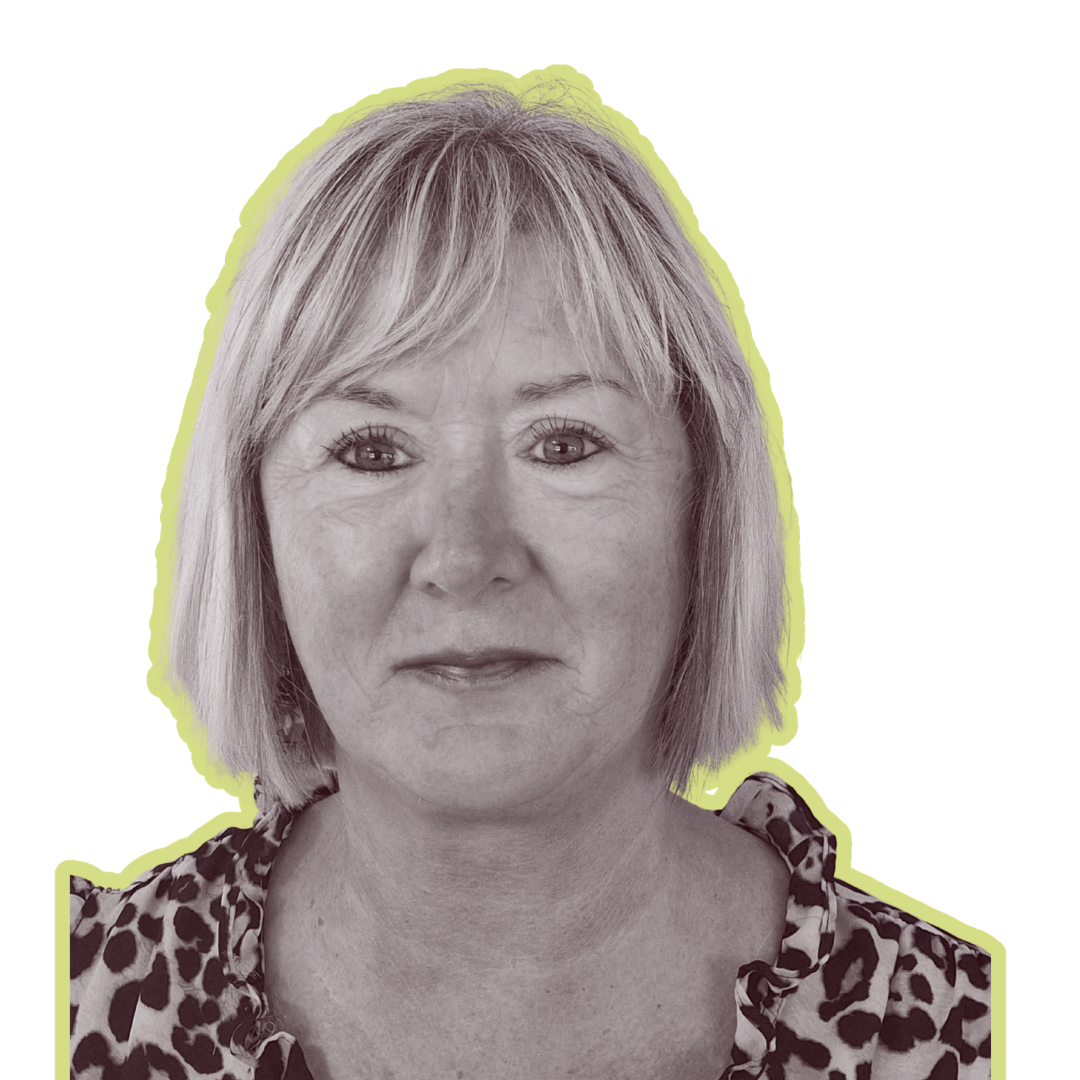
Kim Stevens
Kim is an adult educator and instructional designer with over five years of experience supporting diverse adult learners in developing workplace, digital and employability skills. Through her work in career advising, curriculum development and inclusive teaching, she is committed to helping individuals build confidence and succeed in education and employment. She believes that strong local economies are built through inclusive workplaces where everyone has the opportunity to contribute and thrive. She is excited to co-facilitate The Hidden Key to Workplace Success: Building Inclusive Local Economies and share practical strategies for fostering inclusion and belonging.
Truro Colchester Welcome Network
Every newcomer carries a story worth knowing. The Truro Colchester Welcome Network exists to make sure those stories find a home here. It brings together local organizations, businesses, volunteers, and community members around a shared belief: that Truro and Colchester County become richer socially, culturally, and economically when newcomers don’t just arrive, but truly belong. We connect people with the resources and relationships they need to put down roots, build meaningful lives, and contribute their talents to a region that genuinely wants them here. Because a welcoming community isn’t just good for newcomers. It’s good for all of us.
Building Regional Food Sovereignty
Presentation
Saturday August 8 2:30PM-4PM @ Tatamagouche Regional Academy Cafeteria
Exploring what it means for communities to have meaningful control over the food systems that sustain them. Grounded in Indigenous Food Sovereignty, Black Food Sovereignty, and farmer-led food sovereignty movements, this interactive session will move beyond theory to explore how food sovereignty is built and sustained in practice. Together, participants will examine the relationships, infrastructure, policies, knowledge systems, and community capacity needed to strengthen local and regional food systems while identifying concrete opportunities for collaboration and action.
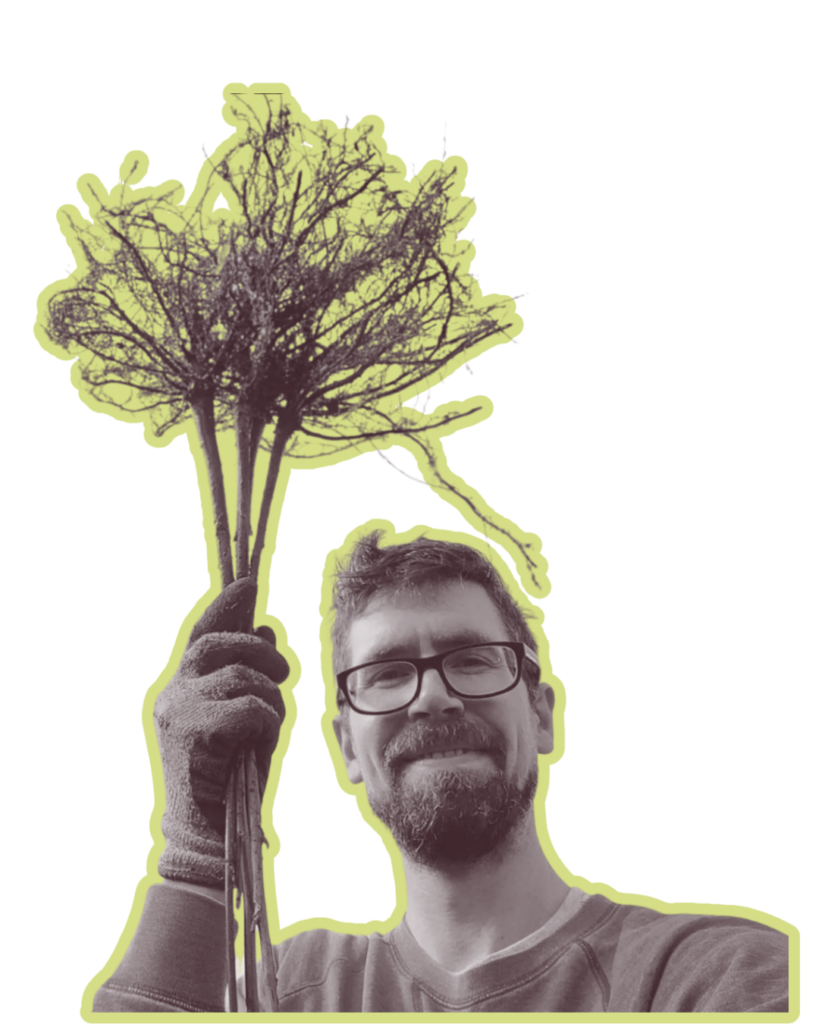
Paul Wartman
Paul Wartman (he/him) is a settler with transplanted European roots who farms at Floreren Farm in Centrelea Nova Scotia / Likalie’katik Mi’kma’ki with his spouse and family. Together they grow medicinal herbs, nursery nut trees, and fruit shrubs for people who want more food and herbs for their communities. Paul is also a farm member of and the part time organizer with the National Farmers Union in NS, which is an organization made up of farmers, farm workers, and associate members (eaters) that advocates and works for food sovereignty in NS.

Wendie Wilson
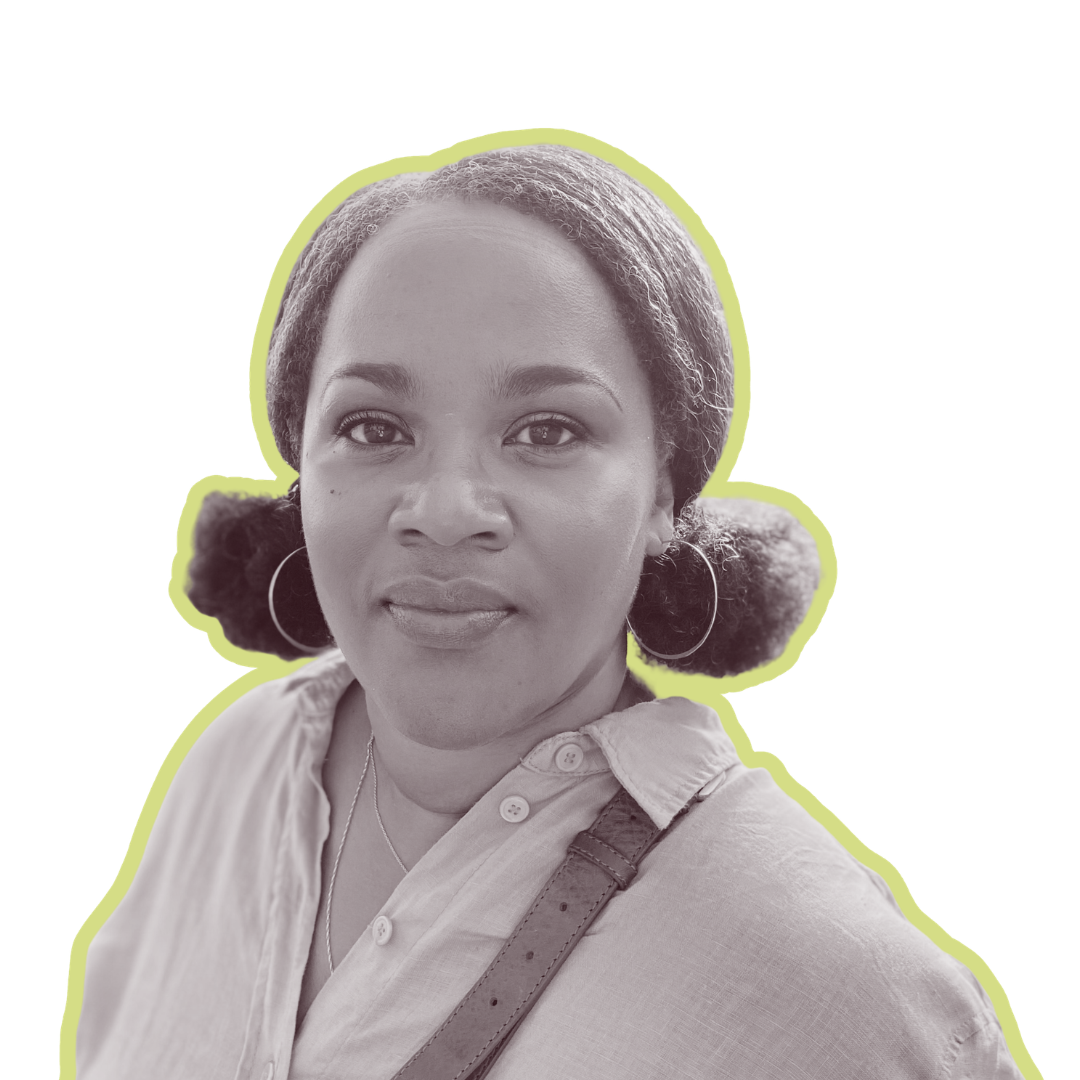
Wendie Wilson is a mother, educator, artist, published author, and cultural advocate dedicated to advancing Black food sovereignty. A descendant of African Nova Scotians with more than 400 years of history in Mi’kma’ki, Wendie is deeply committed to sharing the knowledge, experiences, and contributions of her community. She advises municipal, provincial, and national initiatives focused on food justice, helping shape conversations about sustainable, equitable, and community-led food systems. With 25 years of experience in public education, she has served as a classroom
teacher, curriculum consultant with the Nova Scotia Department of Education, and instructor in the Bachelor of Education programs at Mount Saint Vincent University and Acadia University. She holds a master’s degree in Africentric Leadership and is passionate about developing Africentric frameworks and culturally grounded educational resources. She currently serves as an Executive Staff Officer (BIPOC Engagement & Advocacy) with the Nova Scotia Teachers Union. Wendie is the creator of the African Nova Scotian flag and co-founder of the African Nova Scotian Freedom School. Through her writing, documentary storytelling, and community initiatives, she creates transformative learning experiences that strengthen cultural identity and preserves generational knowledge and wisdom for future generations.
Linda Best
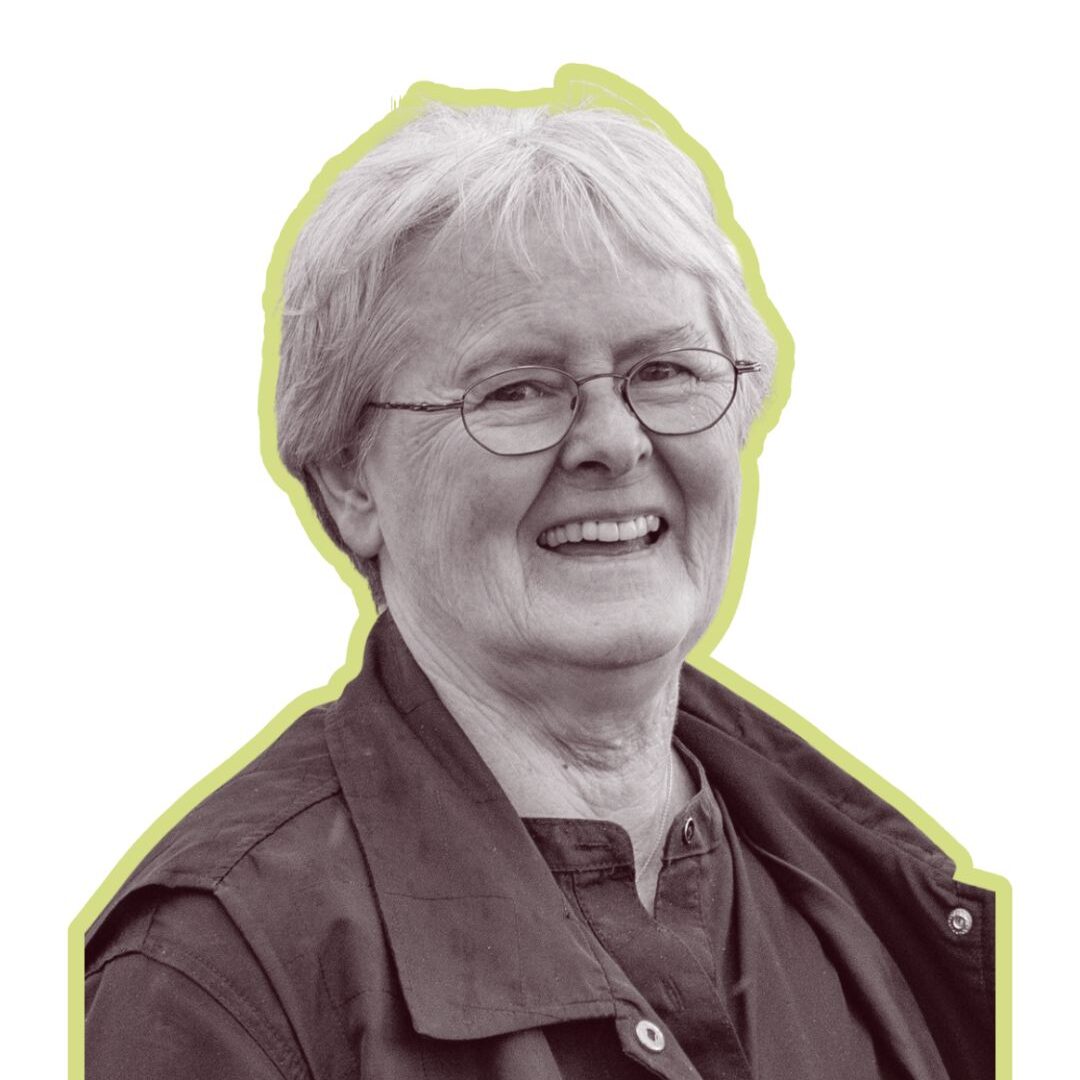
Linda Best is the Executive Director and co-founder of FarmWorks Investment Co-operative, which has invested millions of dollars in more than 170 food and farm businesses across Nova Scotia.
A former medical microbiologist and lifelong advocate for local agriculture, Linda founded Friends of Agriculture in Nova Scotia (FANS) and has received the Order of Nova Scotia, the Queen Elizabeth II Platinum Jubilee Medal, and the King Charles III Coronation Medal for her contributions to food security and community development.
Small Business Owners: What’s Keeping You Awake At Night?
Panel Q&A
Saturday August 8 2:30PM-4PM @ Tatamagouche Public Library Patterson Room
The Truro & Colchester Chamber of Commerce and the Truro Colchester Partnership invite you to join an open, participant-led roundtable where the conversation will be shaped by the people in the room. There is no fixed agenda and no presentation to sit through—just an opportunity to raise the issues, challenges and opportunities that matter most to you.
The discussion could cover broader concerns such as U.S. tariffs, taxes, access to funding, workforce shortages or local infrastructure. It could also focus on day-to-day business questions, including managing different generations in the workplace, setting the right price, exploring export markets, finding new customers or planning for growth.
Come prepared to share what is on your mind, hear how others are approaching similar challenges and take away practical ideas, new perspectives and valuable connections.

J. David Philips
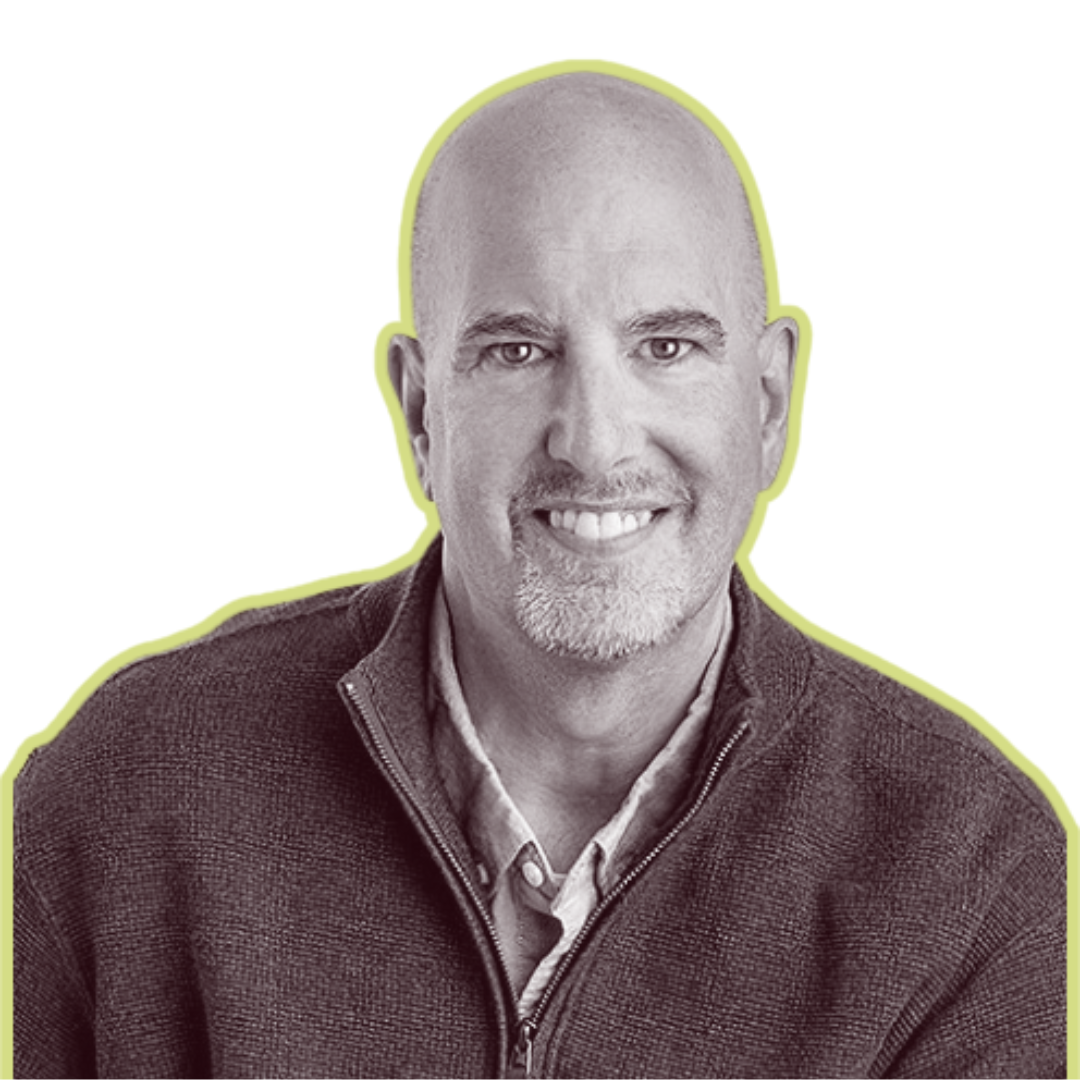
J. David Phillips is an international marketing executive, a leader in
community economic development, and one of Eastern Canada’s preeminent business growth strategists. He has more than 30 years of executive and senior management experience in small, medium, and Fortune 50 companies. He was employed with Microsoft for more than a decade, where he held the position of Worldwide Market Intelligence Lead. At LVMH (Moet Hennessy Louis Vuitton) Group, the world’s largest luxury goods conglomerate, he was Global Director of Market Insight and Strategy.
David has also operated two successful small businesses of his own.
David is Chief Executive Officer of the Truro Colchester Partnership (TCPEP), whose mandate is to grow the local economy, attract business investment, entrepreneurs, and skilled people to the region, and to provide objective, expert advice, strategic support,
growth and funding guidance to local businesses, startups, and entrepreneurs. Having spent more than 30 years away from Truro, David has committed this next chapter of his career to helping drive economic growth and greater prosperity in his home community.

Lexie Jasiewicz
Lexie Jasiewicz is the Executive Director of the Truro & Colchester Chamber of Commerce, the second largest chamber of commerce in Nova Scotia, representing more than 500 businesses across Central Nova Scotia.
Originally from Cornwall, Ontario, Lexie relocated to Nova Scotia in 2025 after serving as a Loans Officer with ACCFutures, where she managed a commercial lending portfolio exceeding $11 million and worked closely with entrepreneurs to support business growth and investment. She also served as Vice-Chair of the Downtown Cornwall Board of Management, helping advance initiatives focused on economic development and downtown revitalization.
Since joining the Chamber, Lexie has led a period of organizational growth, modernizing internal systems and processes, guiding the development of a new strategic plan, and strengthening the Chamber’s advocacy and partnerships across the region. She serves on the Atlantic Chamber of Commerce Policy Committee and is an ex-officio member of the Truro Colchester Partnership for Economic Prosperity Board of Directors.
Having chosen to make Central Nova Scotia her home, Lexie is passionate about supporting local businesses, fostering collaboration, and creating opportunities that strengthen the regional economy for years to come.
A Case Study in Deep Community Engagement – The Shelburne Community Greenhouse and Gardens
Panel with Slideshow
Saturday August 8 2:30PM-4PM @ Tatamagouche Regional Academy Active Living Room
The Town of Shelburne and surrounding area have long faced a lack of healthy and affordable food options. A regional conferenced hosted by the Centre for Local Prosperity in 2016 catalyzed a local, multistakeholder effort to take action in addressing food insecurity. Over the past decade, community leaders have mobilized institutions and residents to secure resources to build a community-run greenhouse and gardens. This session will focus on telling their story: the challenges faced, how they were overcome, and lessons learned along the way. A recent research project about what happened in Shelburne led to a community “playbook” to help inspire others to mobilize community initiatives. Findings from the research will be woven into the session.
Moderator:
Annika Voltan
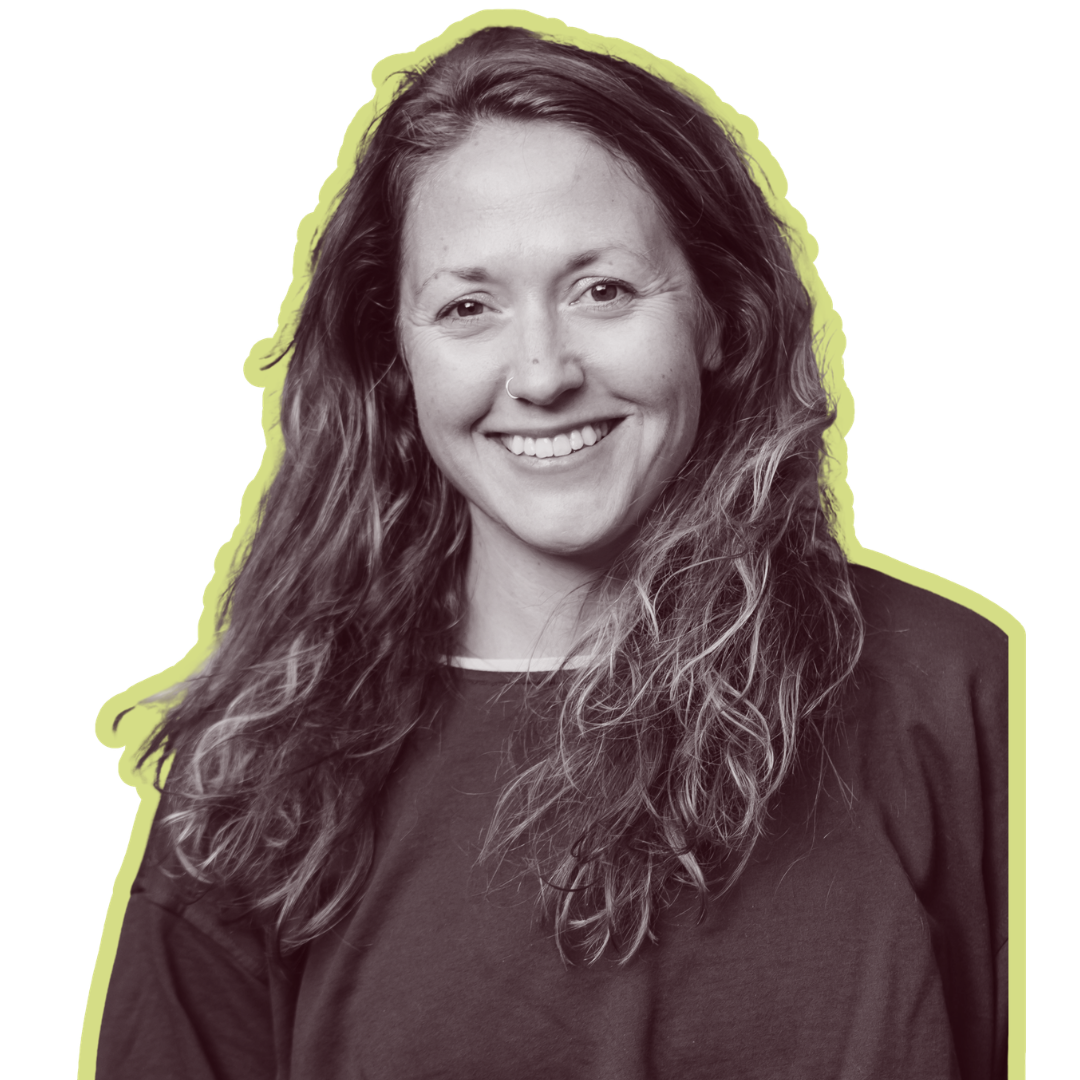
Annika Voltan is an Assistant Professor in the Management Department at Saint Mary’s University (SMU), where she teaches social and sustainable entrepreneurship, and leadership with systems thinking. Prior to joining academia, Annika held leadership roles in two local nonprofit organizations – Inspiring Communities and Impact Organizations of Nova Scotia – aimed at community collective impact
and strengthening sector capacity for positive change. Before joining the nonprofit sector, she spent a decade in public policy in federal and provincial government departments focusing on climate and social policy development. Annika has a PhD in social entrepreneurship and research interests in networks for community building and social innovation, and organizational and leadership behaviours that contribute to positive social impact.
Panelists:

Robert Cervelli
Robert has been an active volunteer in community building for over 45 years. He founded and manages Transition Garden (www.transitiongarden.ca) a cooperatively run ‘teaching centre micro-farm’ on three acres of land at his home in St Margarets Bay, NS. The gardens are managed by 5-8 families with regular visits and help from students of all ages and other groups. Robert is also a co-founder and Chair of Transition Bay St. Margarets (www.transitionbay.ca), one of the first Transition Initiatives in the Maritimes. As one of its many projects, Transition Bay maintains a volunteer-run educational vegetable garden with harvests going to the local food bank. Mr. Cervelli is a Senior Advisor and Co-founder of the Centre for Local Prosperity (www.centreforlocalprosperity.ca). He has corresponded internationally and attended key international events on alternative economics and local empowerment.

Penny Smith
Penny Smith is the youngest of 15 children and has been a resident of the Municipality of the District of Shelburne all her life. She has worked for both private business and government and was employed by the Municipality of Shelburne for 24 1/2 years (1992-2016). She was first elected by acclamation to Council for the same Municipality in 2016 and
again in 2020 and 2024. She has also been elected by her peers as Warden each time throughout these years. Additionally, she is the Administrator for the Shelburne County Quota Group, a local fishing
organization, and founder of Pennywise Accounting Services. Penny has a true passion to help others and a strong sense of community. She has been an active volunteer in her community for almost 35 years; leading, chairing and participating in a number of
committees and organizations, including 100+ People Who Care of Shelburne County, Hillcrest Academy – School Advisory Council, Harmony Bazaar – Festival of Women & Song, Birchtown Community Centre, Shore Road Park & Playground Association and others. In her spare time, she loves to cook, travel, enjoy the outdoors and spend quality time with family and friends, including her golden retriever Duke
and cat Annie.
Connie Lamm
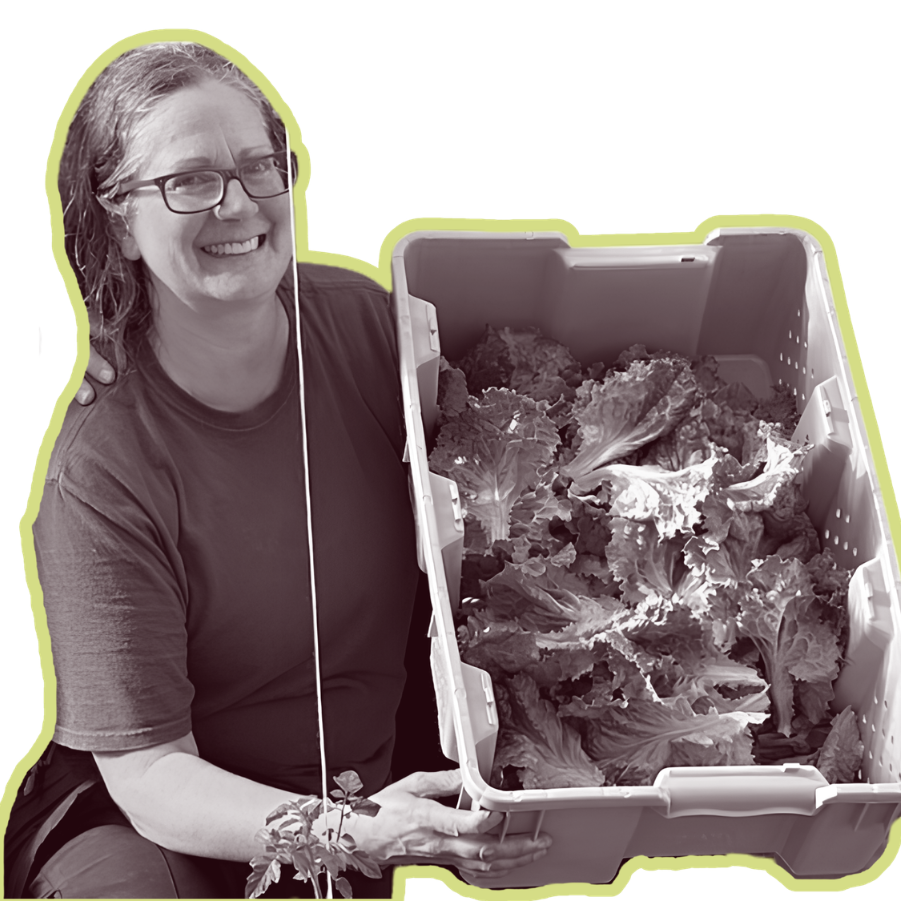
Connie Lamm is a daughter of immigrants, who learned the importance of helping others early in life. She completed both her undergraduate degree and PhD in Ontario and then lived for 12 years in the US, working as an academic. While living and teaching in the Deep South, she saw what extreme poverty, urban food deserts, and extreme racial discrimination looks like. During COVID she moved back to Canada and built a home, with her husband, in Shelburne County. She now wears many different hats. She works for the Town of Lockeport facilitating community programming, e.g., the setup of FoodShare raised beds around town, and writing grants. She runs the local farmers’ market, the Shelburne Guild Hall Market. She still teaches two university courses every semester. Lastly, combining what she has learned about food deserts/food insecurity with a passion for growing her own food, she is now the president of the Shelburne County FoodShare, a volunteer run non-profit. When she is
not working, she loves spending time with her husband, her 2 equines, and two cats.
Rhiannon Hinerman
Lucinda Montizambert
Dale Richardson
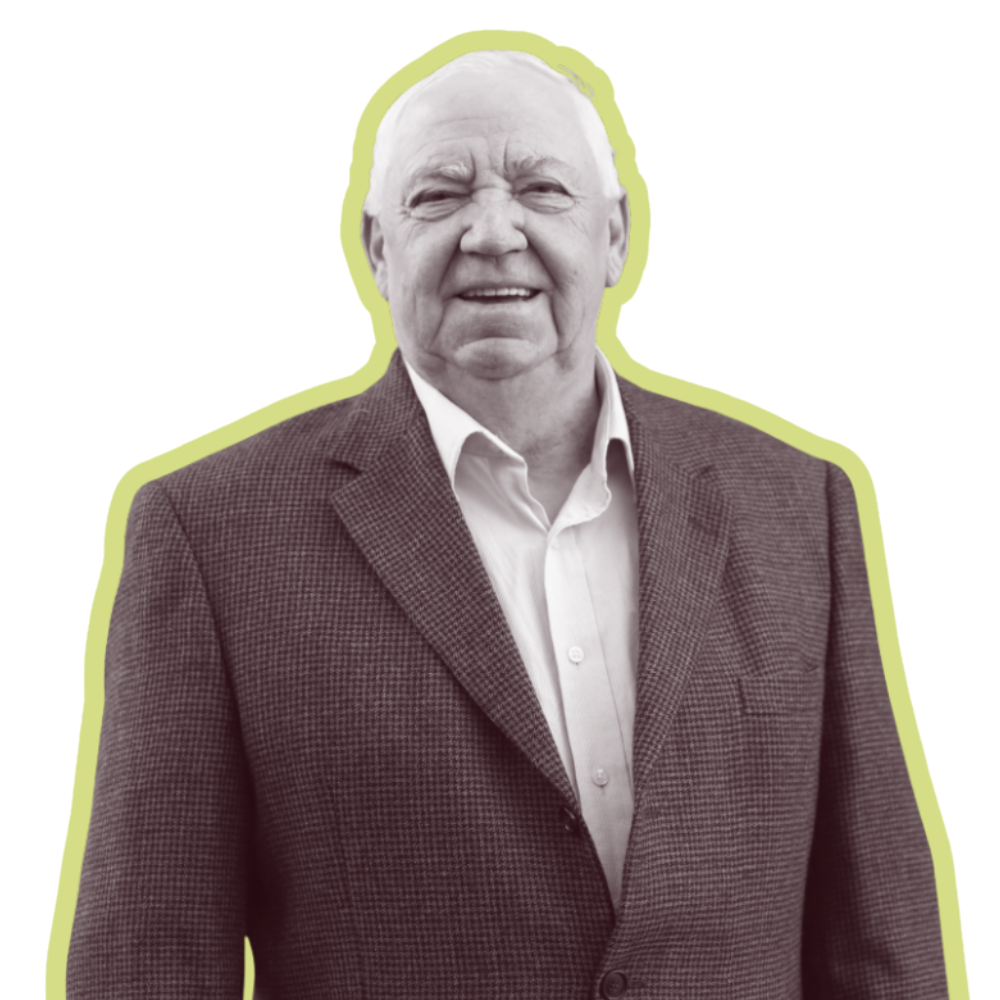
Dale Richardson has lived in the Municipality of Shelburne for all his life and is the
Councillor of District 7 of the Municipality of Shelburne. He is married and has three
daughters. He owned and operated a Fishing Enterprise for 45 years and is now retired.
Over the years he has been involved in many charity, community, and fishing groups,
such as being Fire Chief for the Little Harbour & Area Fire Department and being
president of the Little Harbour & Area Social Society. Additionally, he is a board member of the Shelburne County FoodShare and can be found most days at the greenhouse, up on a ladder putting up produce wires, wrapping tomatoes, trying to train the peas to grow up the wall, etc. He has been involved with the Shelburne County FoodShare since its inception many years ago and was a critical force behind getting the greenhouse up and running.
Electrifying Canada’s Energy Security
Storytelling
Saturday August 8 2:30PM-4PM @ The North Shore recreation Centre Hall

Canada’s energy future is being built right now. Here’s what it looks like.
The shift to renewable electricity isn’t just about reducing emissions — it’s about who controls our energy, what we pay for it, and whether our communities benefit from it. A transformed electricity system can deliver all three. But getting there requires building a vision compelling enough to bring people with us.
This workshop is about telling that story.
Come hear stories of real people whose lives and communities are being shaped by the energy transition, and explore what a renewable-powered grid actually means for energy security and affordability in Canada. We’ll dig into what narratives resonate with different audiences, with a particular focus on Atlantic Canada, and look at how powerful storytelling is building genuine public support for renewables.
You’ll walk away with:
– A vivid picture of what a transformed, renewable electricity system can deliver
– Insight into the narratives that resonate with Atlantic Canadian audiences
– Real examples of storytelling that’s shifting the conversation on renewables
Bailey Dunyo
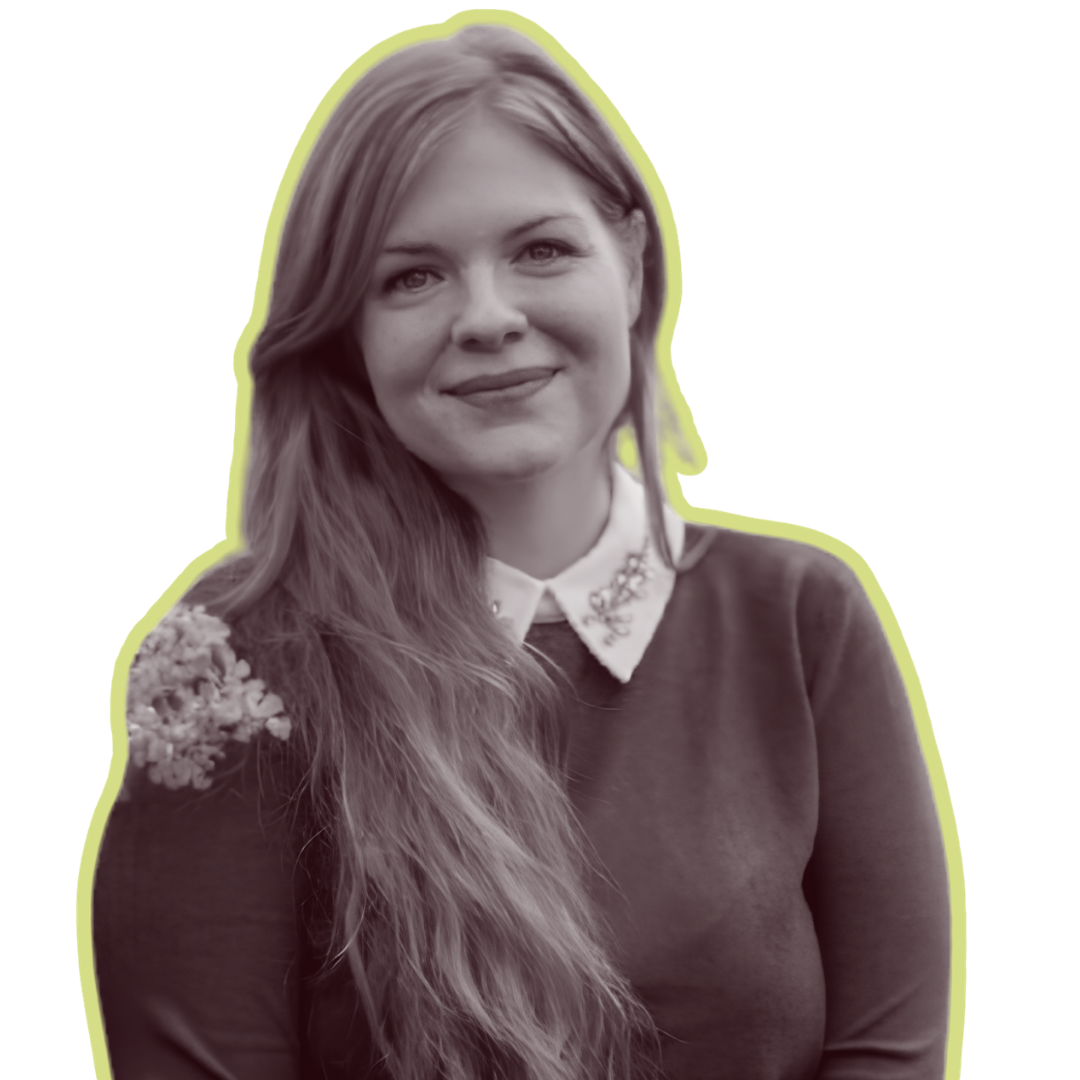
Climate Content Creator – Bailey has spent the past decade helping organizations connect with their people and tell their stories. In her career as a communications specialist and digital generalist, she has worked with nonprofits in Canada and internationally, spanning climate, health, education, and arts and culture. She especially passionate about helping to uplift the stories of people on the frontlines of climate change.

Sophia Lindfield
Sophia Lindfield (she/her) is a climate activist who has worked at the intersection of climate justice and politics for nearly a decade. She has led municipal campaigns, run a national grant program that disbursed $230,000 to youth emissions reduction projects, written federal legislation, and put in a lot of waitressing hours to pay the bills. She currently works as the Atlantic Organizer for My Climate Plan and as the Policy Advisor for the youth climate policy network Infiltrate the System.

Katie Perfitt
National Organizing Director – Katie has worked at the intersection of climate and human rights for over a decade with organizations including 350.org and the David Suzuki Foundation. She is now serving as the National Organizing Director with My Climate Plan where her mission is to support people to take strategic action action to win a more a more climate safe future. She grew up in the Ottawa Valley, but now lives along the Avon River with her three dogs, cat, and chickens.
Care for Community Caretakers: Sustaining Those Who Build The Kind Of Communities We Want To Live In!
Guided reflection session: A facilitated space for participants to reflect on shared experiences and draw out key insights.
Saturday August 8 4:30PM-6PM @ Tatamagouche Regional Academy Music Room
At the heart of important community change efforts you’ll find leaders (both volunteers and staff) who lead with an unwavering commitment and vision. Existing systems, funding structures and inequitable policies draw these community caretakers toward exhaustion and burnout and in the end the whole community suffers the impact. What if we chose a different path to systems change? A path that honours the caretakers as essential infrastructure to community change, naming that these people need systems of support to protect their own health and wellbeing, too? Join us to explore stories of the transformative power of community care as essential part of systems change. Together in reflection, we will explore practical ways to support ourselves and community caretakers in pursuing changemaking work from a well resourced place of health and balance.

Jennifer Decoste
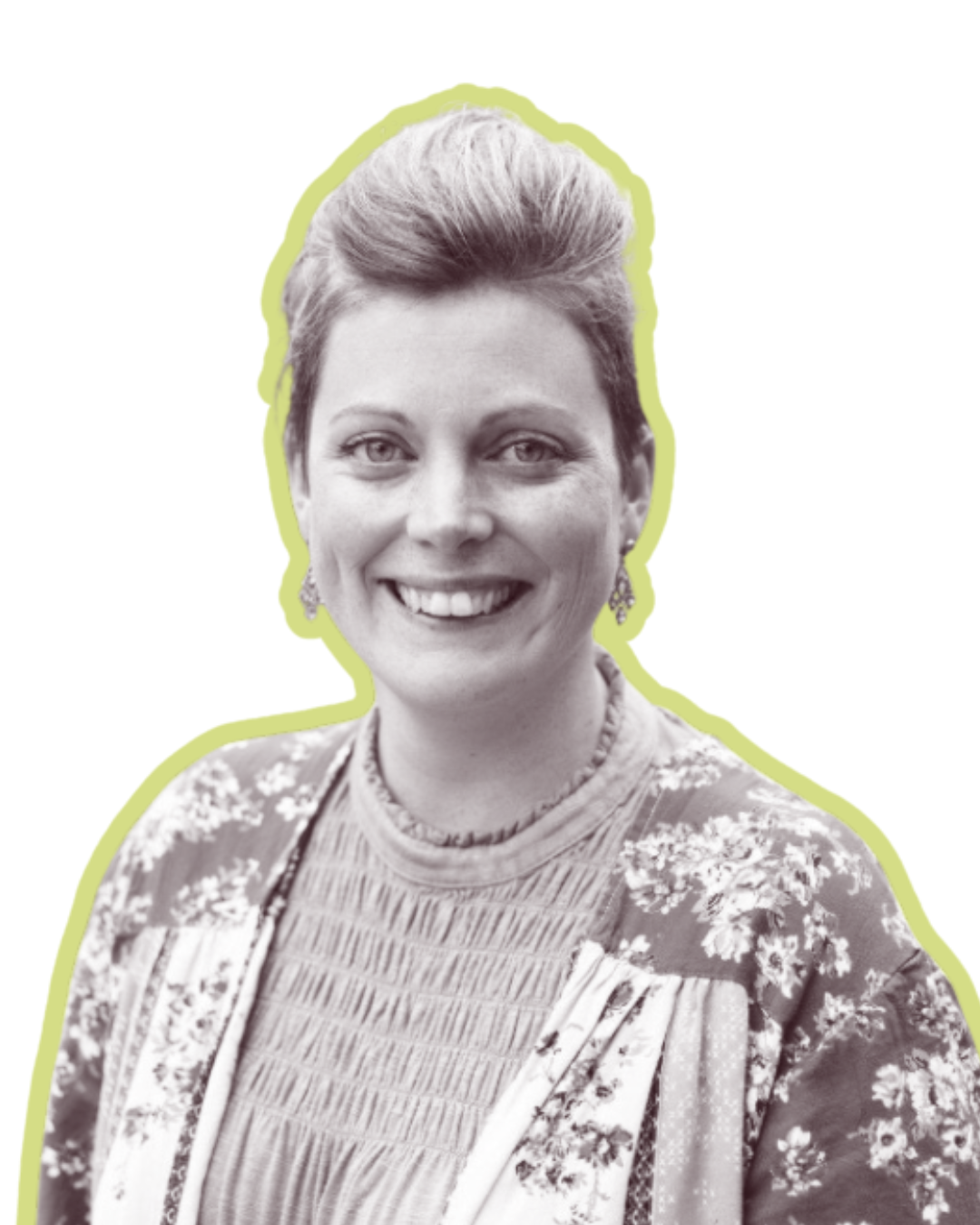
Jennifer is dedicated to work that builds strong and connected communities. She is the Founder of a non-profit network of barter-based folkschools called LifeSchoolHouse that began in Nova Scotia, Canada. This platform for grassroots skills sharing creates stronger more interconnected neighborhoods and reduces the impact of social isolation by offering nourishing spaces where neighbors can learn, connect, and thrive. This project has been scaled globally and Jennifer is the first person in Atlantic Canada to receive the prestigious Ashoka Fellowship for her work.
Jennifer and her partner are also growing a new social enterprise in Nova Scotia called FireLoch: a space in the forest for community, care, and continuous learning. As a social enterprise, FireLoch is a forested retreat space with a sustainable model to support charitable work: offering bursaries and scholarships for deep rest and care for teams from the Non-Profit and Charitable sector in Nova Scotia.
Jennifer has two children and sources great joy from introducing them to the true prosperity in Atlantic Canada: a history of cooperative action, the shared wisdom of multiple generations, and the kindness of strangers.
Make Impact Your 9-5: How are Young People Making a Living by Making a Difference
Roundtable
Saturday August 8 4:30PM-6PM @ Tatamagouch Regional Academy Active Living Room
Join a conversation with youth entrepreneurs proving that creating meaningful change can be your career path.
Focus: To inspire youth to create meaningful change in their communities by sharing the experiences of young people who have successfully done so through entrepreneurship and social enterprise. By fostering an inviting and engaging atmosphere, youth are encouraged to learn, participate in discussions, and explore how they can make a positive impact through their own ideas, initiatives, and leadership.
Moderators:

Kirsten Lawrence
Kirsten is a community builder and social impact practitioner based in Nova Scotia, working across Atlantic Canada as the Projects Lead at The Purposeful Group.
She works with youth, community leaders, and sector partners to design programs, support entrepreneurship, and contribute to strategy, research, and ecosystem-building efforts for social purpose organizations. Her work includes project coordination across multi-partner initiatives, event and conference planning, training and facilitation, and partnership development.
She is passionate about rural community development, empowering youth changemakers and social entrepreneurs, and supporting social enterprises. Kirsten is driven by a commitment to strengthening local capacity and creating meaningful opportunities for young people across Atlantic Canada.



Lillian Luff
Lillian is the Social Entrepreneurship Ambassador at Acadia Launchbox. Through this role, she founded RYSEN, the Rural Youth Social Enterprise Network, an initiative that spotlights social enterprises and the changemakers behind them to show youth that making a difference can be a sustainable career path. Through her partnership with Launchbox, she is able to offer a network of mentors to support those looking to learn about or start their own social enterprise.
Currently entering her second year of a Business degree at Acadia University, Lillian is passionate about using business as a tool for positive change. This winter, she will travel to Peru with MEDLIFE to create social impact abroad. Through experiences at home and around the world, she is committed to helping others and creating meaningful change in communities.
Panelists:

Shirley Chibuoke:
Shirley is the Manager of Acadia Launchbox, Acadia University’s entrepreneurship and innovation hub, where she supports students, entrepreneurs, and community partners in transforming ideas into meaningful impact. With a background in Business Administration and a passion for community building, she has led initiatives that foster innovation, collaboration, and inclusive growth. Through her work, Shirley has organized and delivered programs and events that have engaged more than 100 participants, creating opportunities for connection, learning, and entrepreneurial development. She is committed to empowering individuals, strengthening local ecosystems, and helping communities thrive through creativity, leadership, and collaboration.

Seth Gledhill
Seth Gledhill is a third-year Electrical Engineering student and co-founder of Carbon Roots, a social enterprise transforming coffee waste into community climate solutions. Through innovative biochar technology, Carbon Roots reduces emissions, supports more resilient agriculture, and promotes sustainable communities. Seth is driven to demonstrate how circular economic solutions can build stronger, more resilient communities.

Tyler Daniel
Tyler is a third-year Kinesiology, Exercise Science and training student. He is the founder of Spoken by Tyler a brand that fosters conversation around men’s mental health. Through sharing his own experiences, he shows other men that vulnerability is a strength, not a weakness, and uses his platform to build a supportive community.


Sophia Rae
Sophia Rae is a third-year Psychology student and the founder of Resilient Youth, an initiative dedicated to supporting youth wellbeing. Through advocacy, education, and the development of a resilience manual and certification program for schools, she’s helping create safer, more supportive environments where young people can thrive. She’s had the opportunity to reach over 50,000 students with her work and over 2000 educators.
RYSEN
RYSEN is a youth led network that connects young people with social enterprises, their opportunities and the changemakers behind them creating impact. We believe social enterprises are more than business models. Social enterprises reinvest their success into creating positive change, proving you can build a career while building stronger communities and solving real world problems. RYSEN proves to youth that you can help people through business and that there are more pathways to helping others than in traditional careers. Through storytelling, events, partnerships, and youth engagement, RYSEN helps make social impact more accessible, visible, and achievable.
Sustainable Livlihoods in the Agrifood Sector
Panel
Saturday August 8 4:30PM-6PM @ Tatamagouche Regional Academy Cafeteria
Join food entrepreneurs from across the North Shore for an interactive discussion. Whether you’re just getting started or looking to expand, this session will explore key topics including marketing, commercial kitchen access, agricultural grants and loans, wholesale opportunities, food truck startups, opening a storefront, and building your presence on social media.
Bring your questions and gain practical insights and inspiration from these creative local entrepreneurs. The event will feature a one-hour Q&A session, followed by 30 minutes of small-group table discussions, giving you the opportunity to network, share experiences, and receive personalized advice. Whether you’re producing, selling, or dreaming of launching a food business, this is a valuable opportunity to connect with others in the local food community and take the next step in your journey.

Amanda Howse: (Nova Kraut)
Amanda Howse, alongside her partner Christopher, is the owner/operator of Waugh’s River Gardens, a small farm just outside of the village of Tatamagouche . They have been making Nova Kraut Natural Ferments for 6 years and currently sell at 39 locations across Nova Scotia. Amanda has experience with funding opportunities, building a certified kitchen, food testing, farmers’ market operations, wholesaling products to stores and bookkeeping.

Michael Foote: Appleton Chocolates Company
Michael Foote, owner and operator of Appleton Chocolates Company since 2014. Appleton Chocolates started in 1997, producing confections with the main objective of local sustainability. They hand produce confections using local ingredients such as maple syrup, wild blueberries, cranberries and rum. They ship internationally and previously supplied the Nova Scotia International School Program for around 5 years. From weddings to conferences, corporate gifting to hotel/B&B room gifts we do it all, with quality and sustainability always at the forefront. Michael has a passion for customer service and quality products along with helping keep the local economy sustained.
Shawn Crouse: Moth & Moon Farm
Shawn is a chef whose roots in farming and homemade food inspired a lifelong passion for local ingredients. After moving to Nova Scotia, he combined his culinary career with regenerative farming and helped revitalize the Tatamagouche Farmers’ Market as a thriving community hub.
Today, he continues working to strengthen local food systems, inspire a deeper connection to the food we eat, and connect people with the farmers and makers in their own communities.
John Duynisveld: Holdanca Farms
Community Led, Ecologically Focused, Responsible Forestry
Panel discussion
Saturday August 8 4:30PM-6PM @ The North Shore Recreation Centre Hall
The Medway Community Forest Co-op, Nova Scotia Working Woodlands Trust, Federation of Nova Scotia Woodland Owners and North Nova Forest Owners Co-op are collaborating on a panel discussion where ecologically sustainable, community-focused forest management is the central theme. Each organization will present on their respective mission, objectives and current projects, offering the audience an opportunity to learn about a diverse range of forest stewardship initiatives
on both public and private lands across Nova Scotia. A question-and-answer session will follow, where a moderator would pose questions of the panel (e.g. highlighting barriers and opportunities related to their respective mission & objectives) and invite audience participation and engagement.
Moderator:

Mary Jane Rodger (she/her)
Mary Jane Rodger is the Executive Director of the Medway Community Forest Cooperative and the Nova Scotia Working Woodlands Trust. She holds a Master of Forest Conservation from the University of Toronto. Mary Jane has been with Medway since 2015, with the exception of a brief tenure as the Atlantic Region Forest Conservation Coordinator with Environment and Climate Change Canada from 2022–2023. In her role, she oversees numerous initiatives related to the implementation of ecological forestry on Crown and private lands, supported by three staff teams. She co-founded the NSWWT in 2019 to develop new voluntary tools for forest conservation on private lands through Working Forest Community Easements. Mary Jane played an active role in Nova Scotia’s independent review of forest practices in 2018 and is a former member of the Minister of Lands and Forestry’s Advisory Committee. She sits on several boards, including the Mersey Tobeatic Research Institute, and is the Past President of the Registered Professional Foresters Association of Nova Scotia.
Panelists:
Matt Miller (he/him)
Matt began working with MCFC as the Operations Manager in November 2021. An avid outdoors person originally hailing from Pictou County, Nova Scotia, Matt graduated from the Maritime College of Forest Technology and University of New Brunswick. Matt’s passion for forestry was built on his family’s woodlots and has become focused on restoring degraded forests and aligning forestry practices with the unique ecology of the Wabanaki/Acadian Forest. Working under the guidance of the ED & Board, Matt is responsible for the planning, implementation, and supervision of forest management activities on MCFC lands.
Greg Watson
Greg Watson has been a leader at North Nova Forest Owners Co-op Ltd since 2008, where he currently serves as Manager. With a career rooted in hands-on field experience—ranging from chainsaw and skidder operations to managing the family 200-acre woodlot—Greg brings a practical, “ground-up” perspective to forest management. He is a graduate of the Maritime Forest Ranger School and the NSCC Forestry Resource program. Greg is a recognized voice in the Nova Scotia forestry community, sitting on the board of the Association for Sustainable Forestry representing woodlot stewards. His past work includes high-level appointments to the provincial Advisory Committee to the Minister of Lands and Forestry, focusing on the transition to ecological forestry.
Shayla Nickerson (she/her)
Shayla is a Registered Professional Forester who holds a Bachelor of Science in Forest Management from the University of New Brunswick (Class of 2017). Her career has focused on species at risk, including piping plover, wood turtle, and American pine marten, where she has developed a strong foundation in conservation and habitat management. With a growing passion for ecological forestry, Shayla has returned to her roots and is enthusiastic about working with land stewards across Nova Scotia. She is dedicated to supporting private landowners in maintaining and enhancing the long-term health, resilience, and legacy of their forests.
Blair Peruniak
Blair is the Executive Director of the Federation of Nova Scotia Woodland Owners.
The Federation of Nova Scotia Woodland Owners is a province wide, non-profit organization providing forest management, support, and advocacy for small, private woodland owners. It’s Your Forest, but We’re In It Together.
Nova Scotia Working Woodlands Trust
NSWWT is the province’s first land trust dedicated to conserving working woodlands. Through voluntary Working Forest Community Easements, NSWWT permanently protects forest cover and ecological values on private land while keeping it in active, sustainable use. Their approach prevents the clearcutting and subdivision that drive long-term forest loss, and supports the livelihoods of responsible woodland owners across Nova Scotia.